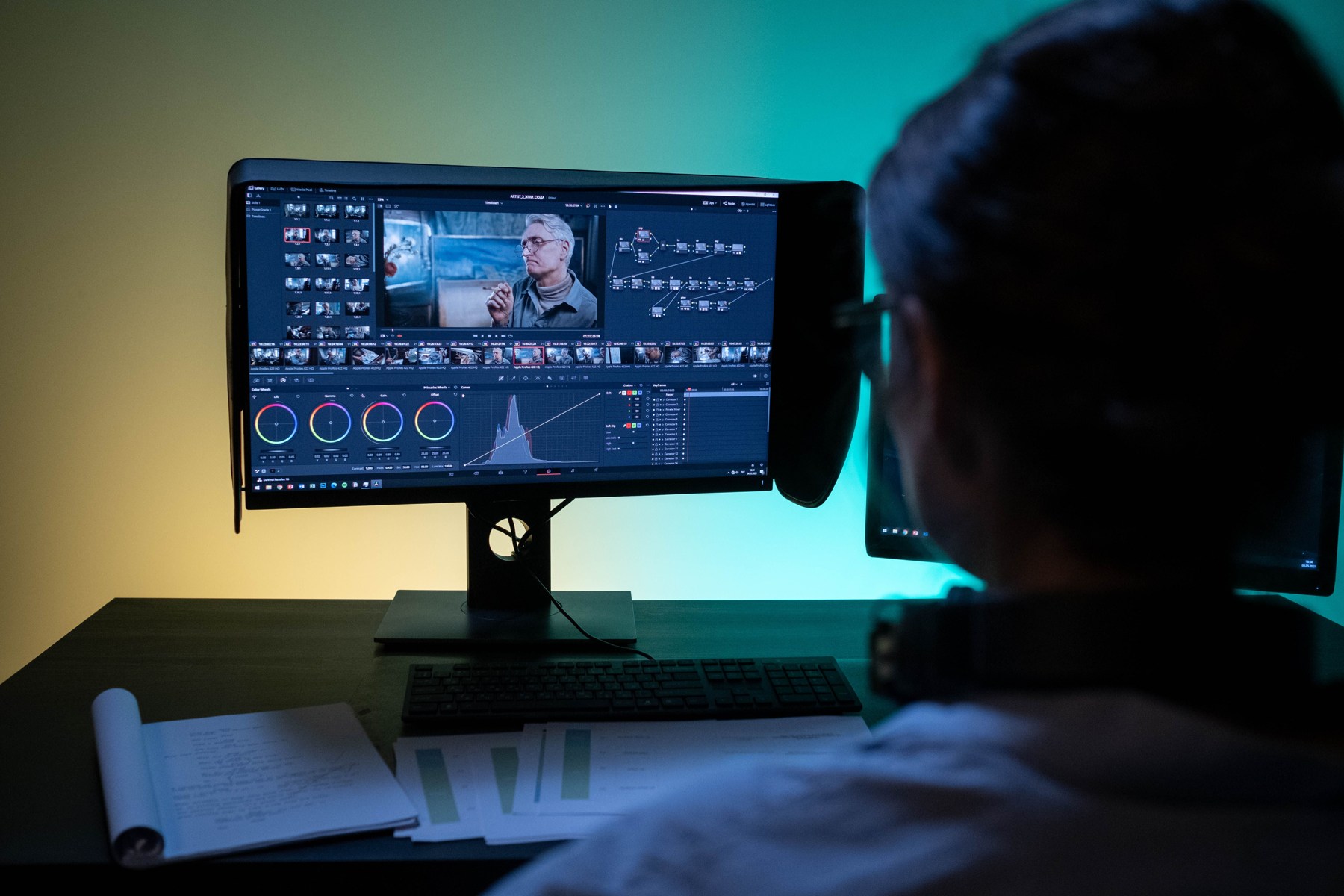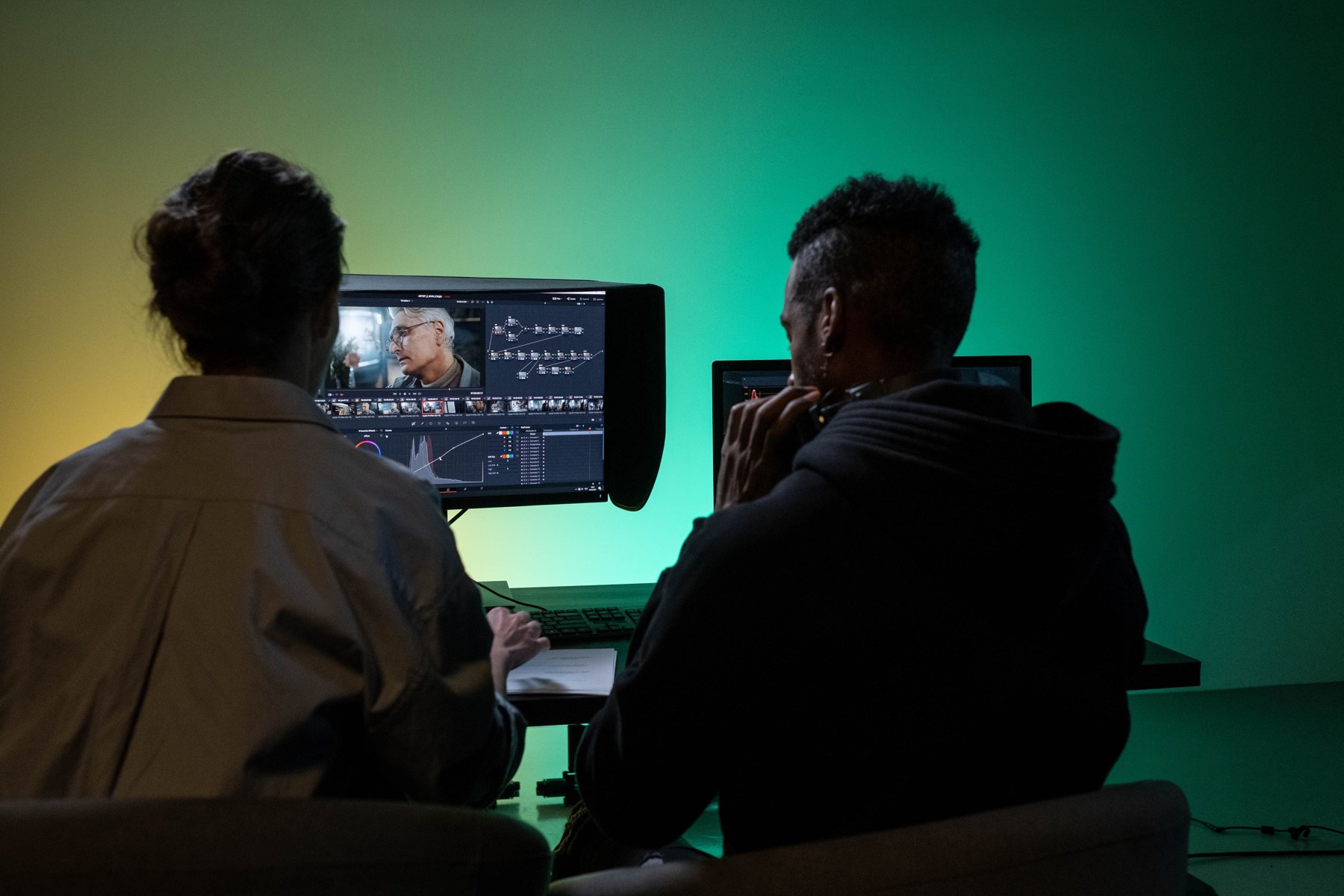

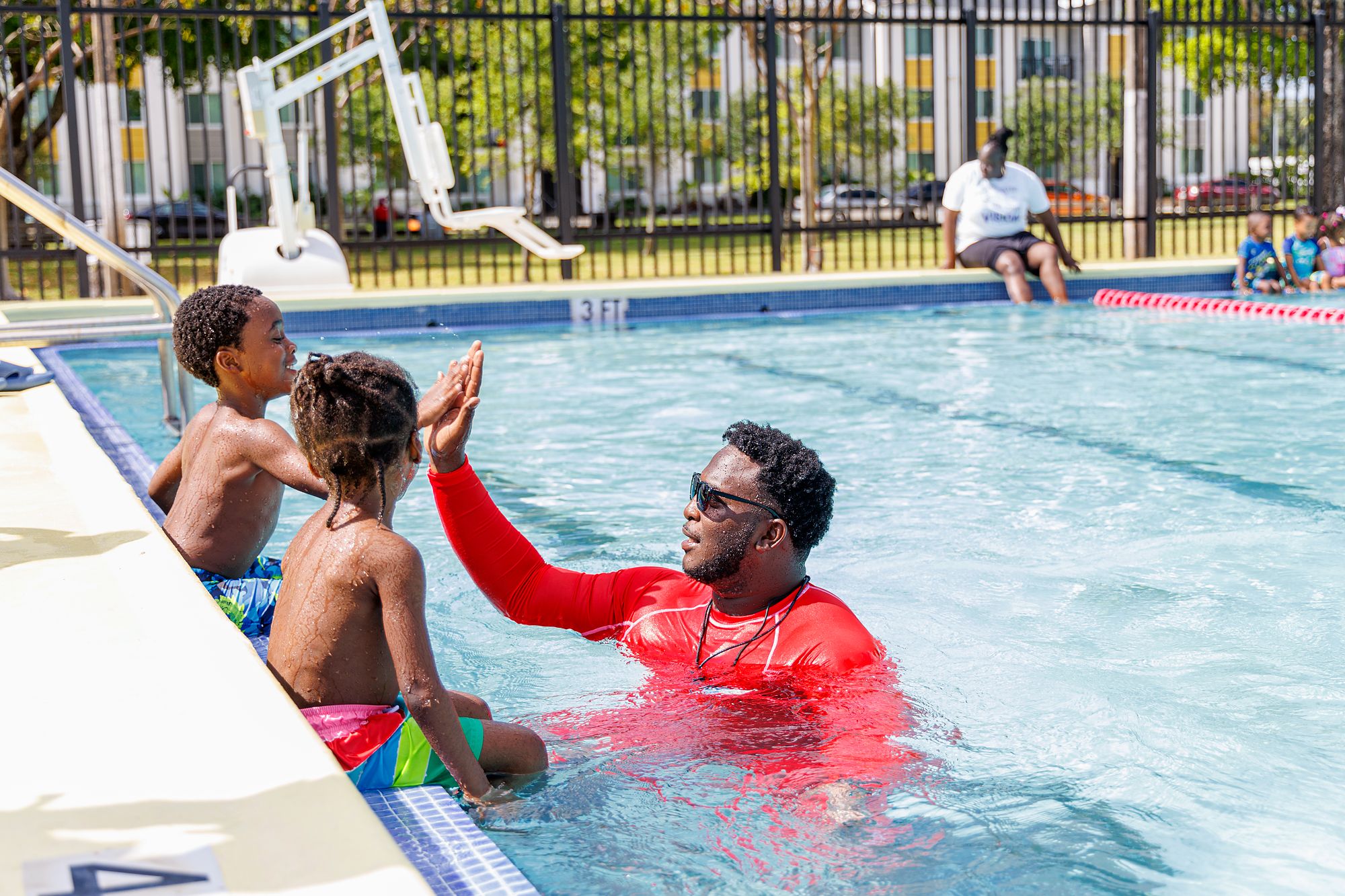
Parents decide whether a child learns to swim and their words explain the program better than any description. For this Miami video production, we filmed families in interview and on lesson days to show Zero Drownings Miami-Dade from their side.
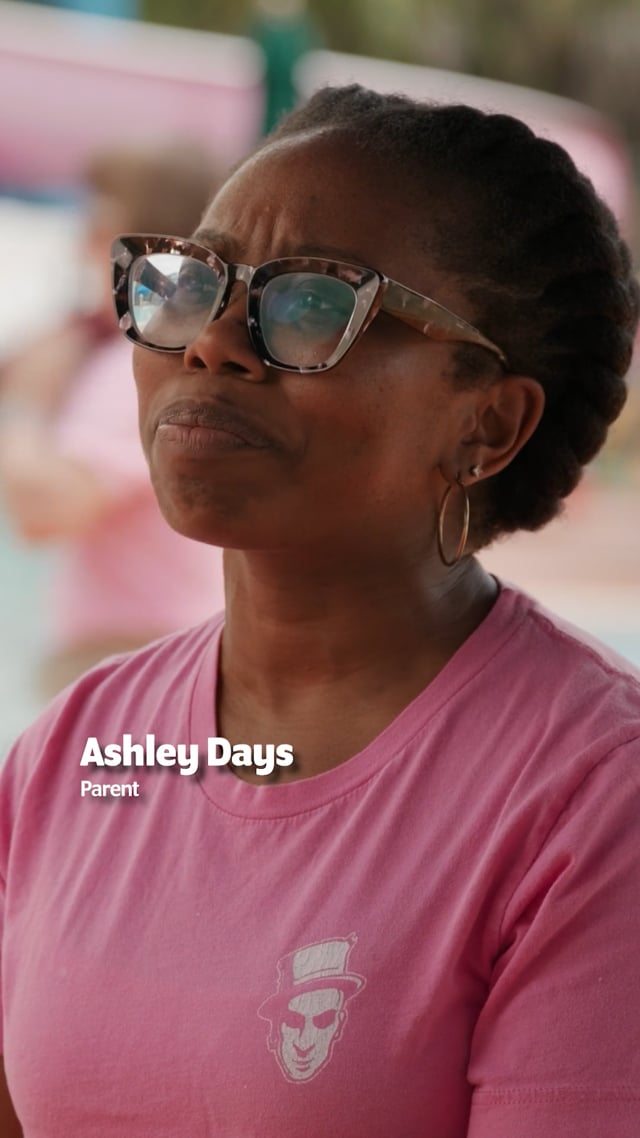
Parents on Learning to Swim · 0:38
Watch the parents short
The Parents edit brings the campaign down to the scale of a family conversation. Instead of explaining the program step by step, it lets parents describe what learning to swim means to them and places those reflections alongside children taking part in lessons. For us as a Miami video production company, the family story needed both the parents’ perspectives and the children’s experience around the pool.
Three family perspectives
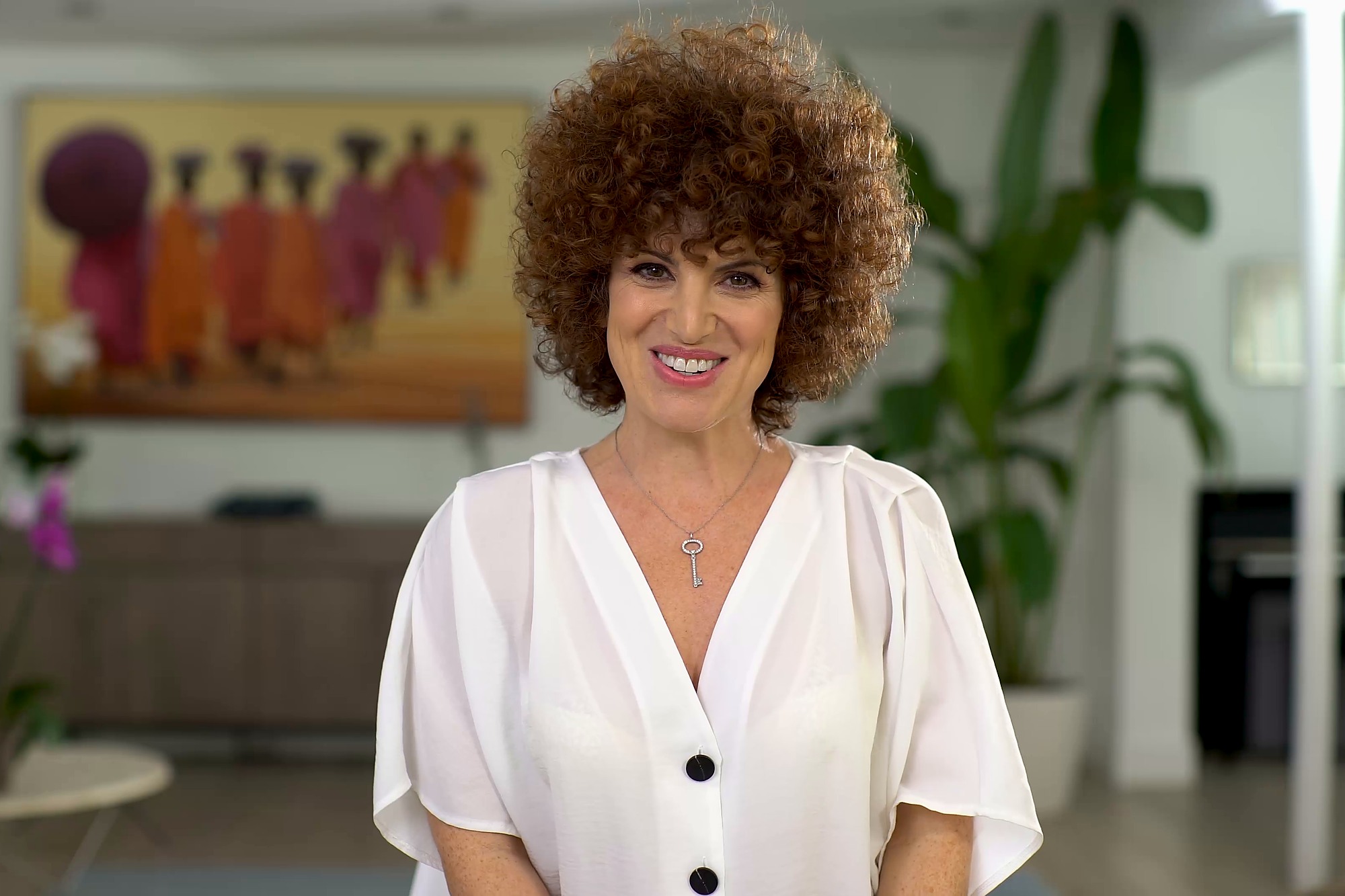
The on-screen titles name Ashley Days, Samuel Baptiste and Janelle Samacy. The conversation moves from the value of learning a skill for life, to the practical importance of access through school, to a parent reflecting on not having learned to swim as a child. These are complementary personal perspectives, rather than three versions of the same program introduction.
Keeping the children’s experience in view
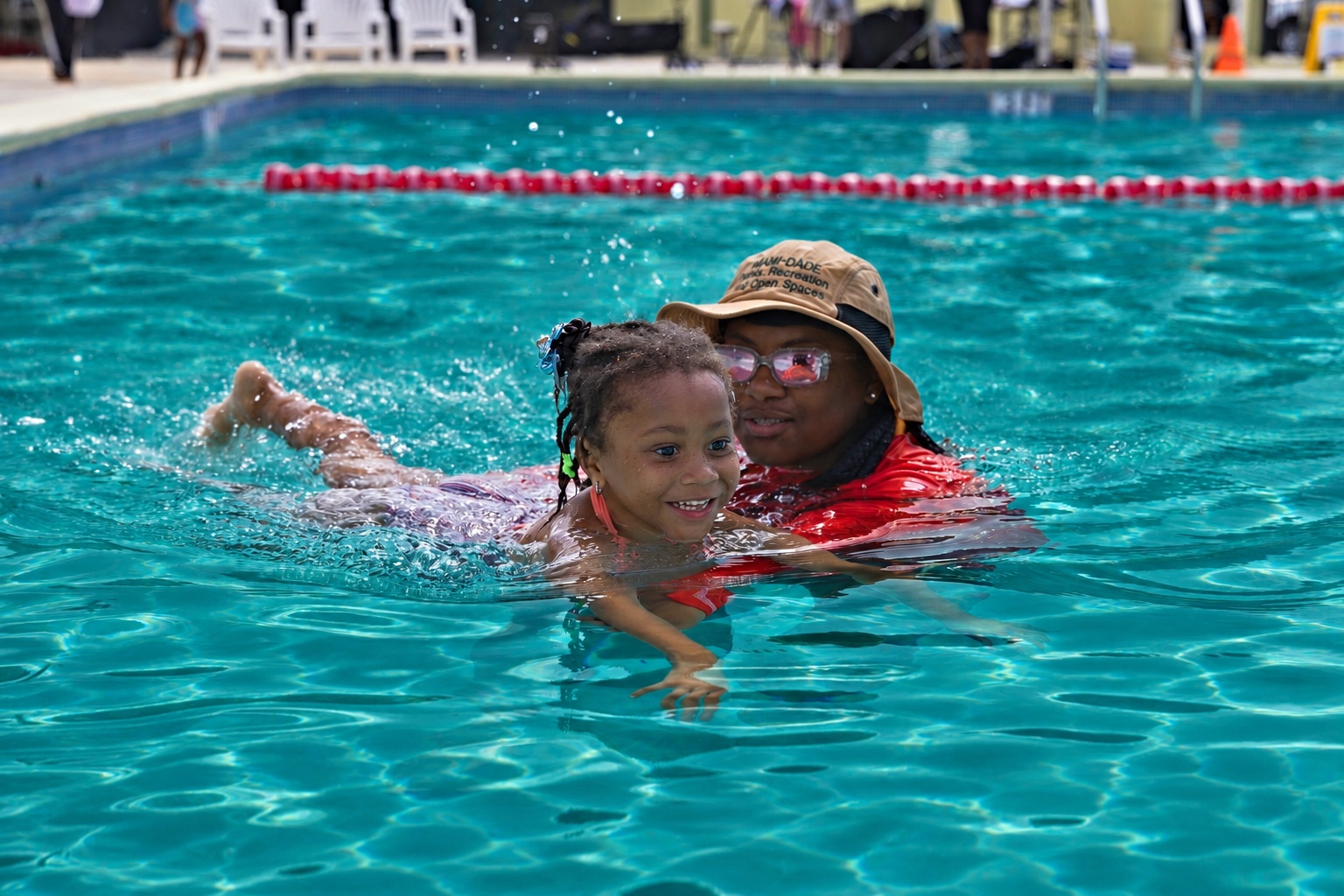
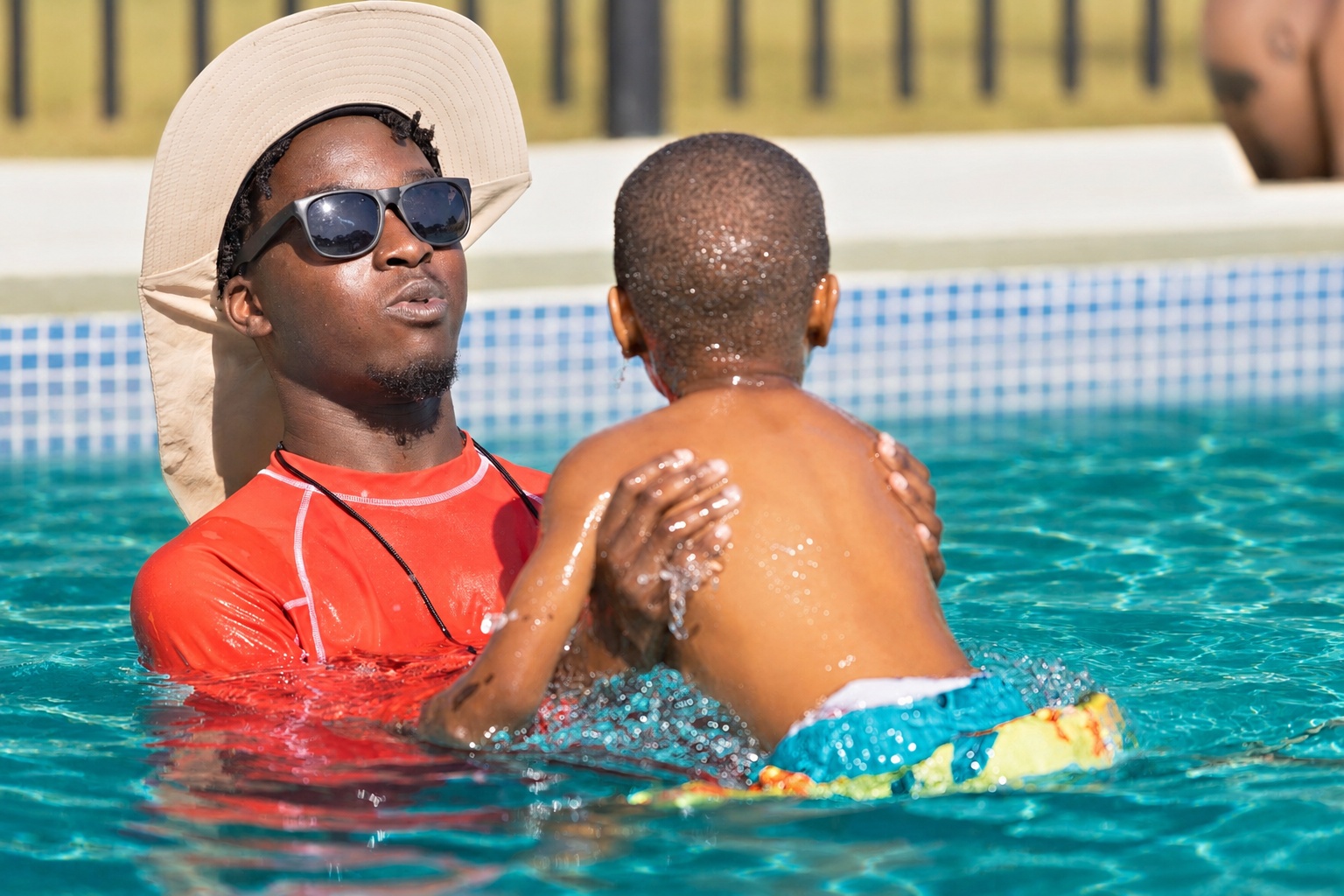
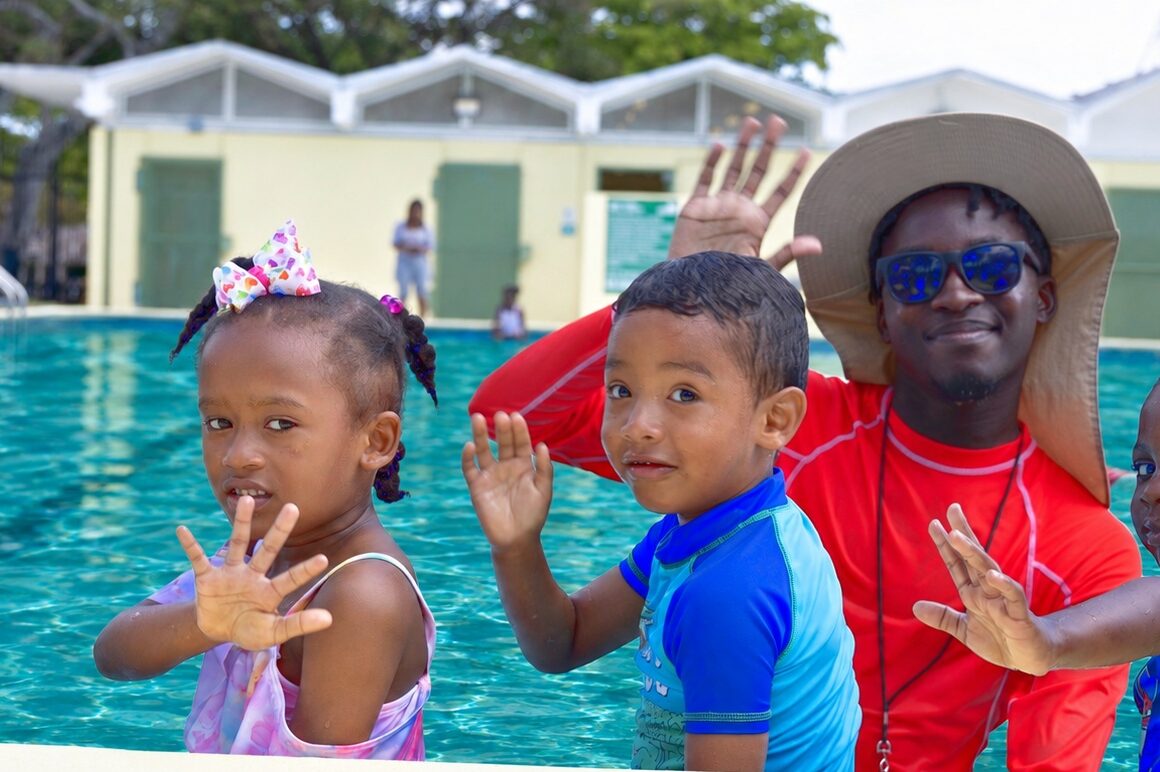
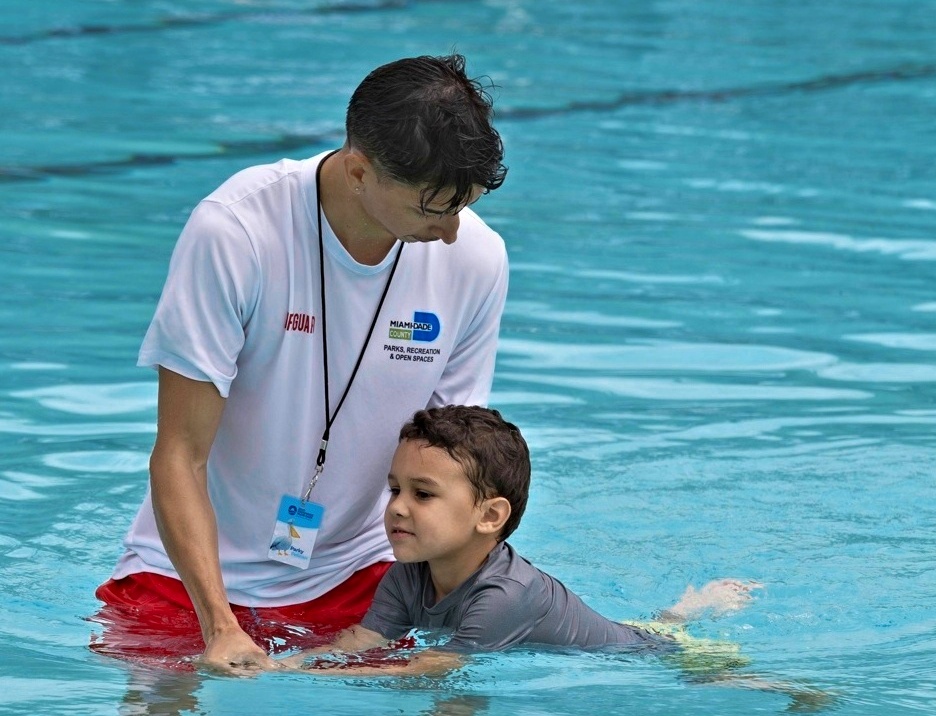
The edit moves between the parent interviews and children in the pool, including interaction with an instructor, an underwater view and family moments. A parent’s voice can continue while the image shows a child’s activity. That gives the viewer something concrete to connect with the interview, while the return to a face preserves the personal character of the story.
Parents discuss learning to swim as a life skill and the value of school-based access. Their interviews are paired with children in the water and family moments beside the pool.
Coverage that supports a family-facing edit
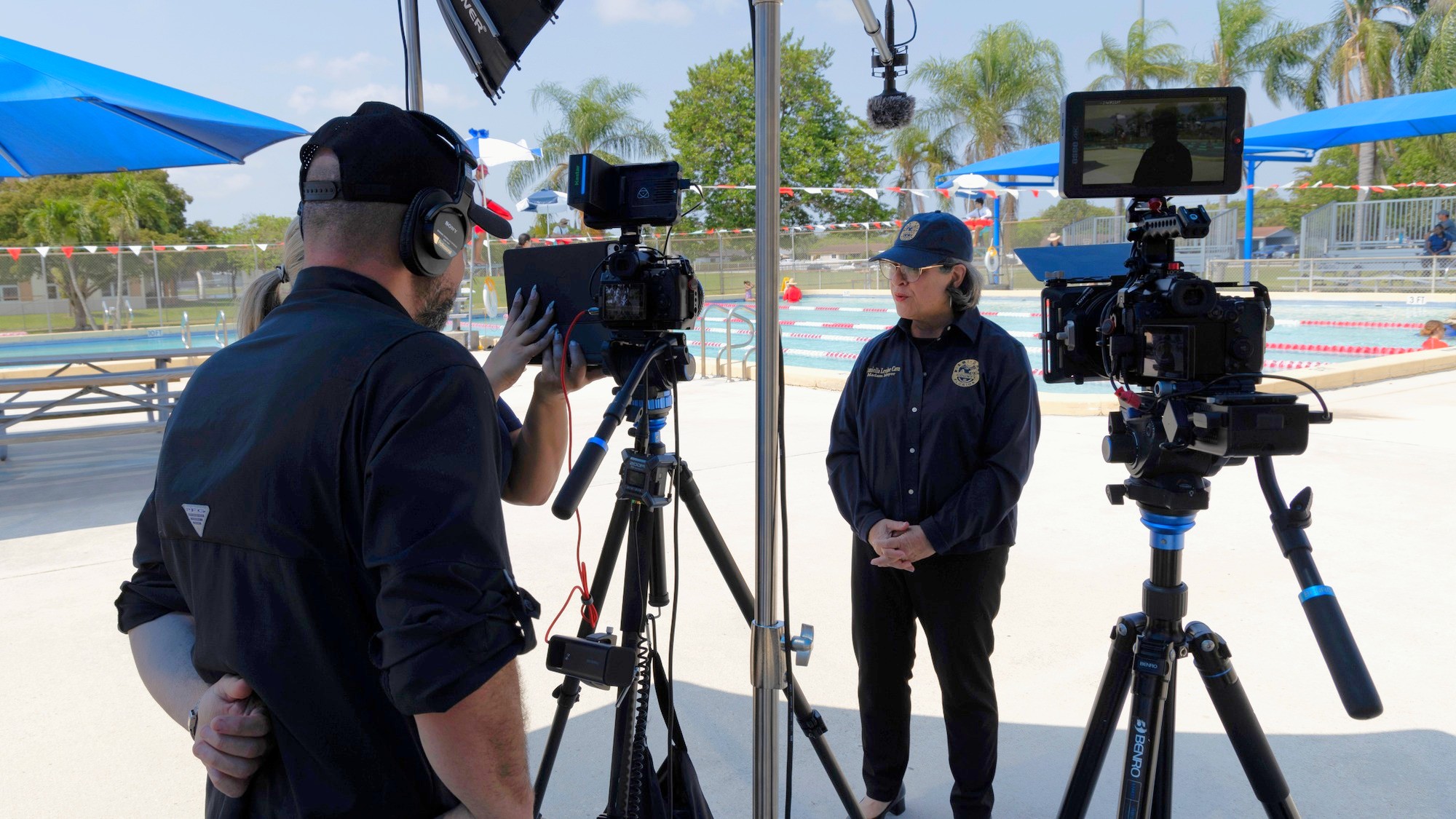
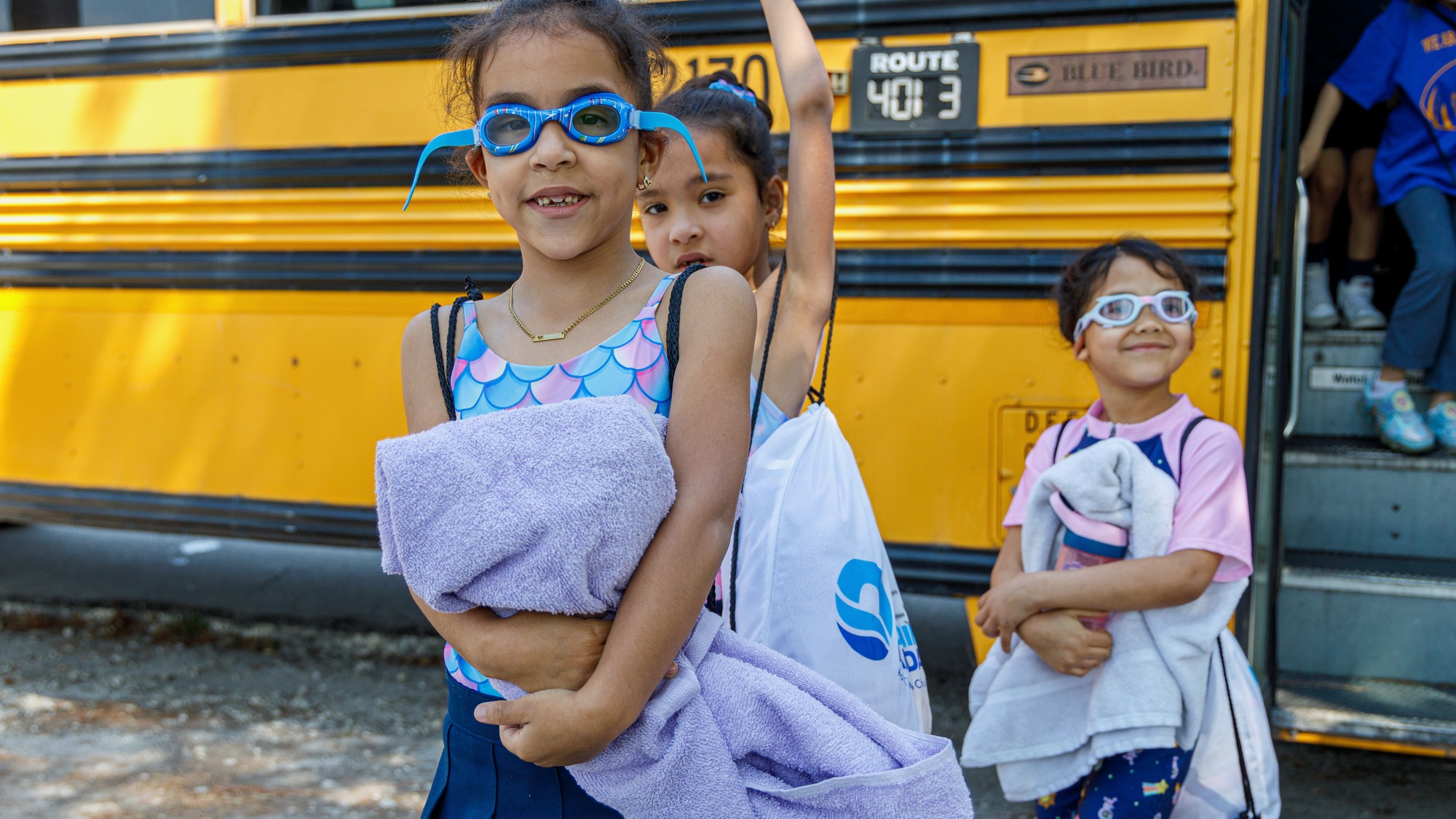
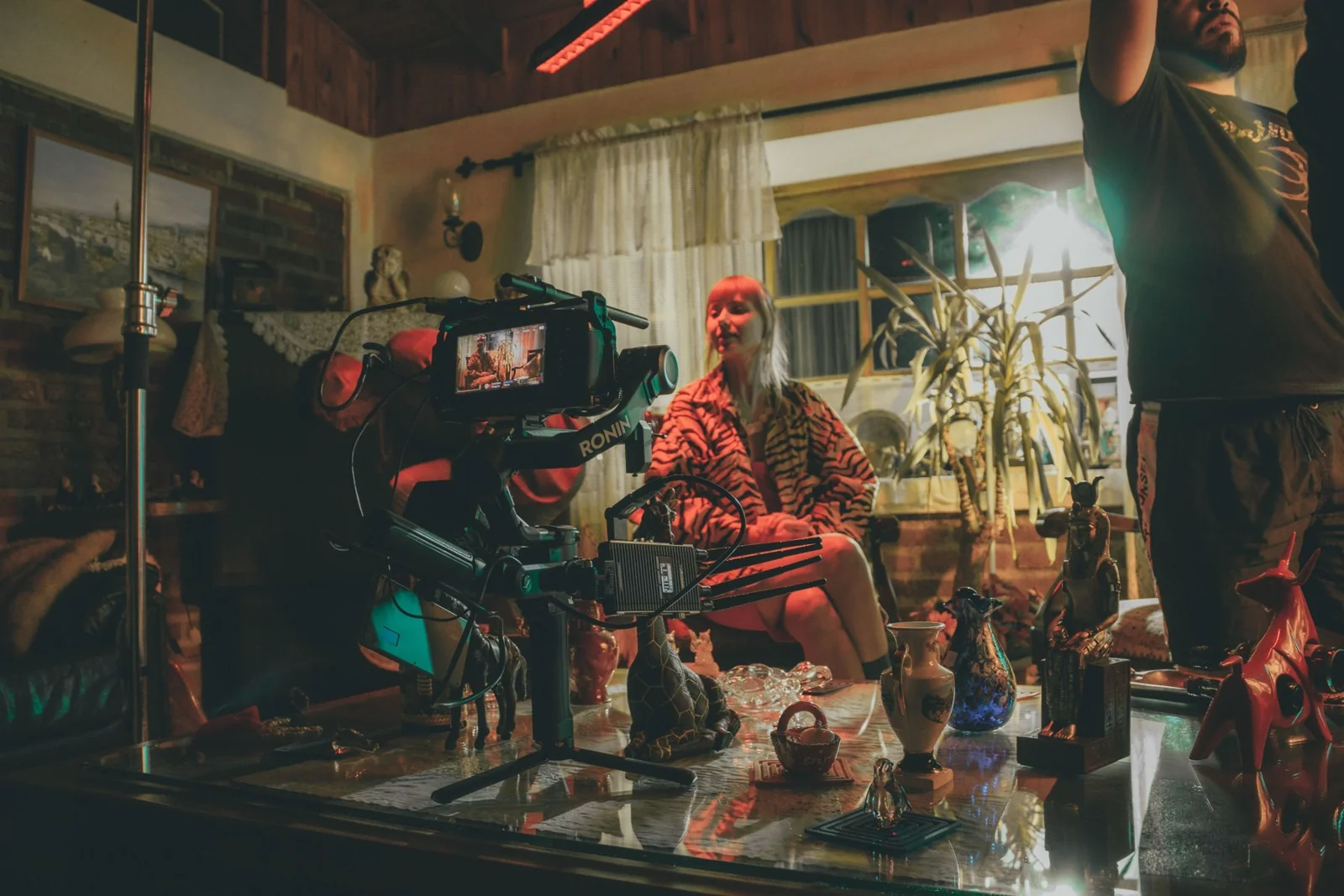
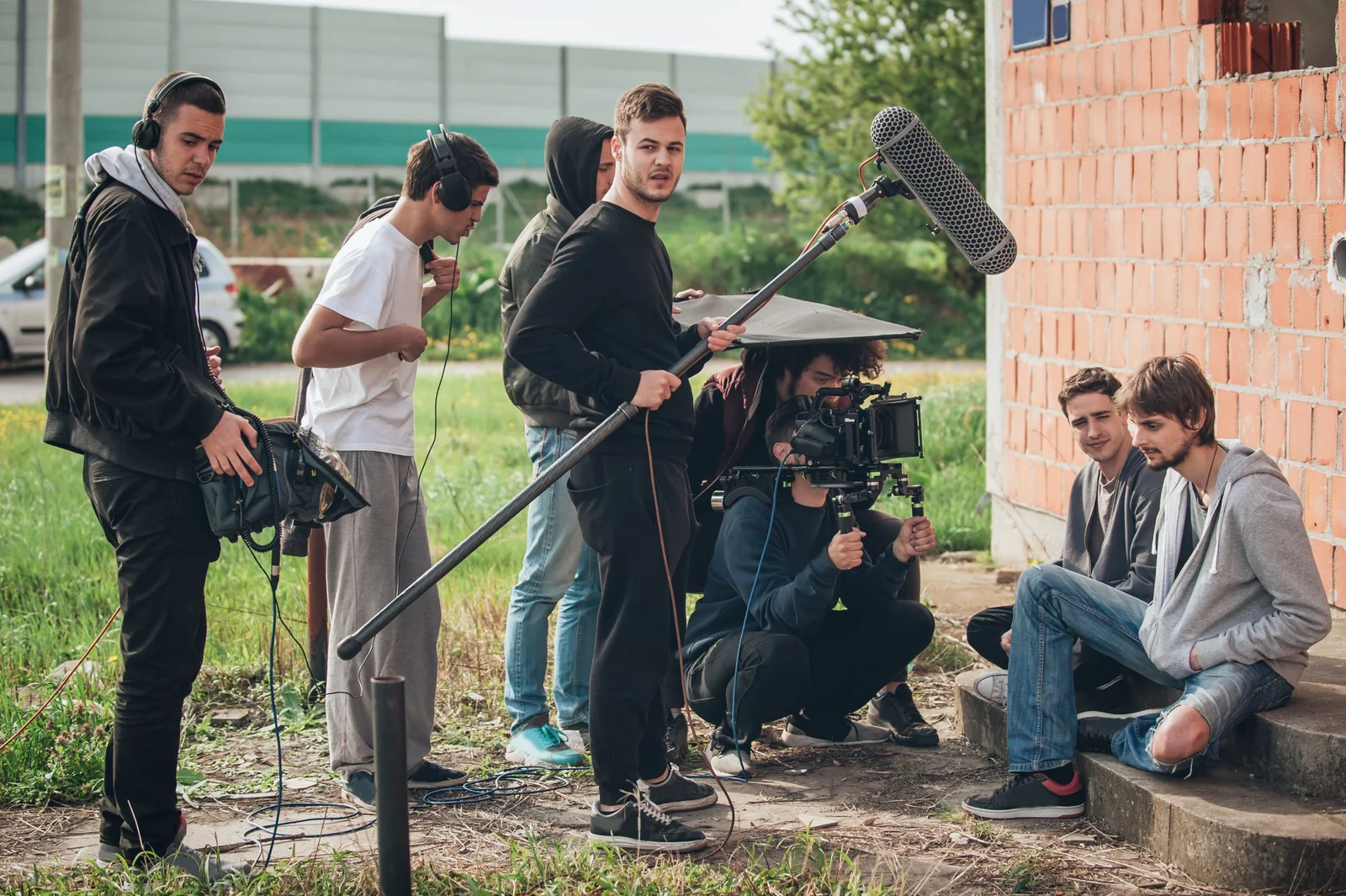
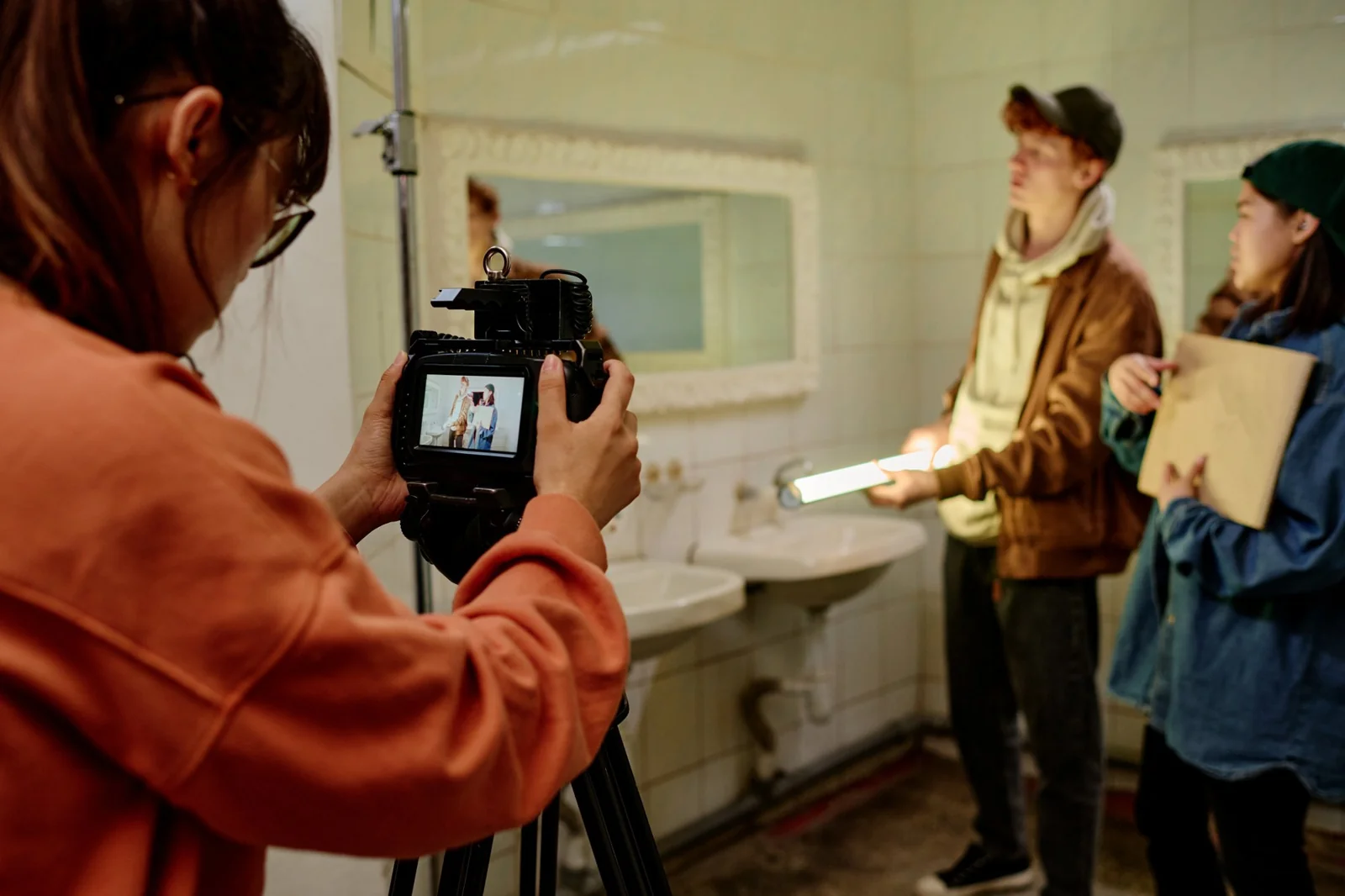
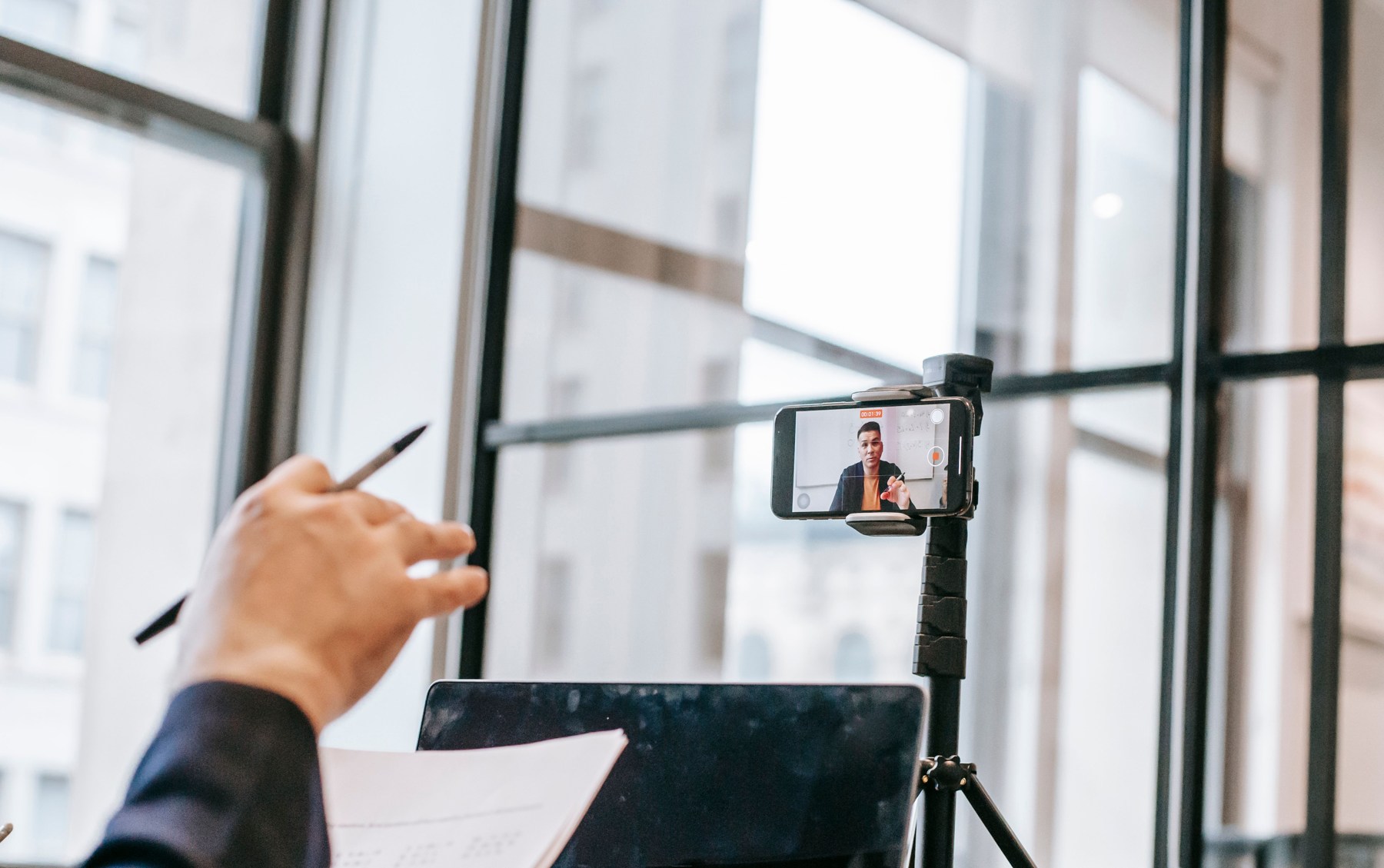
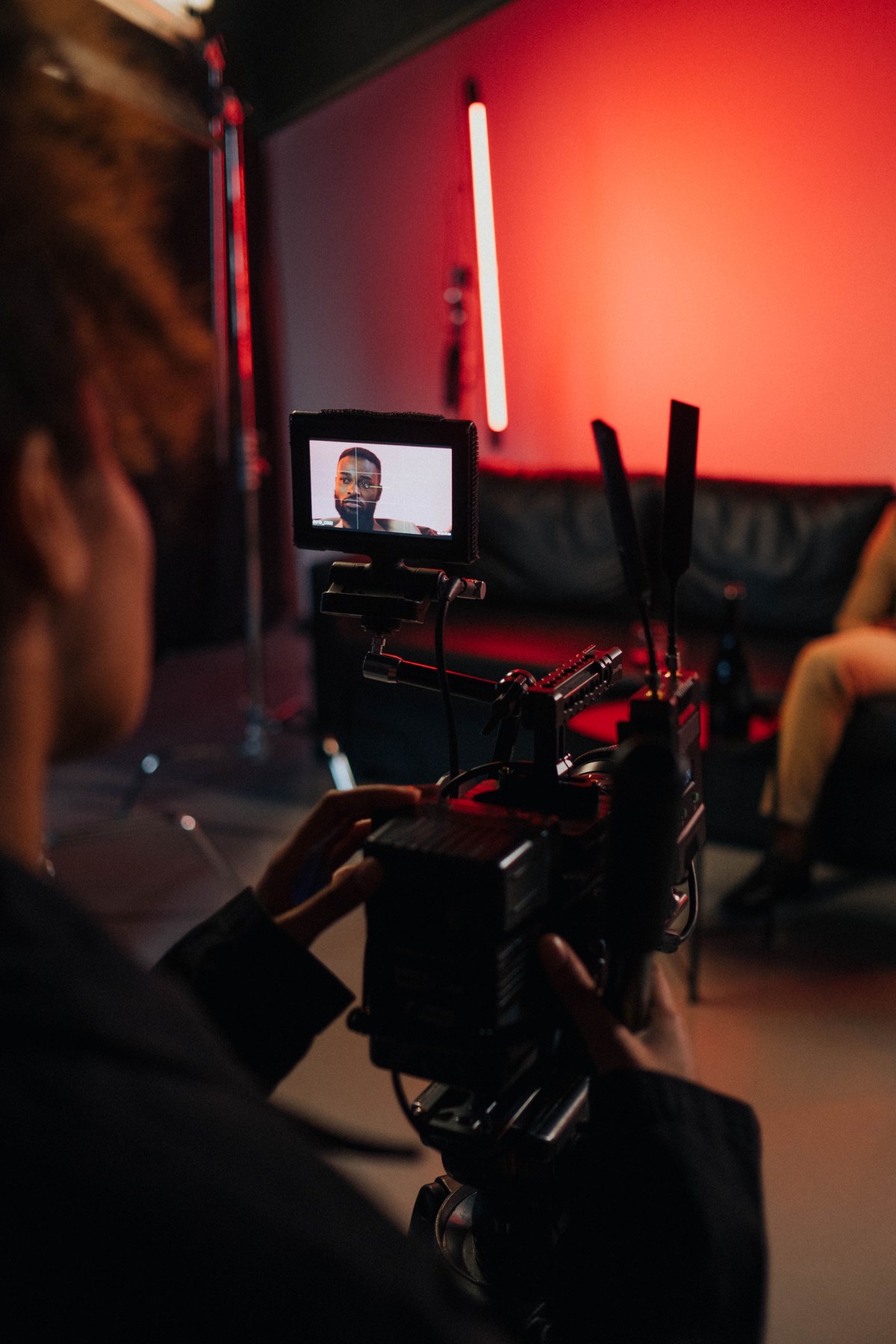
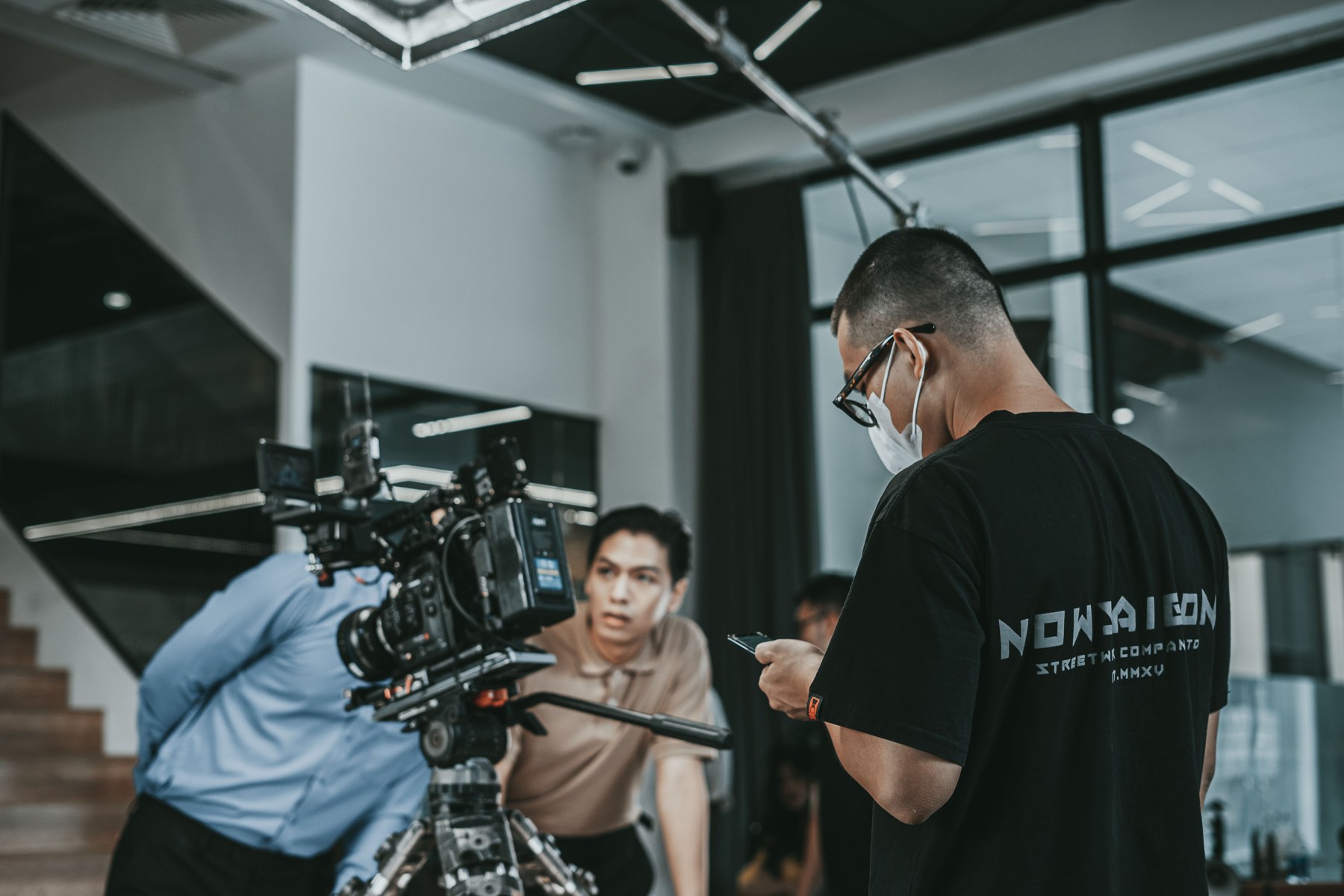
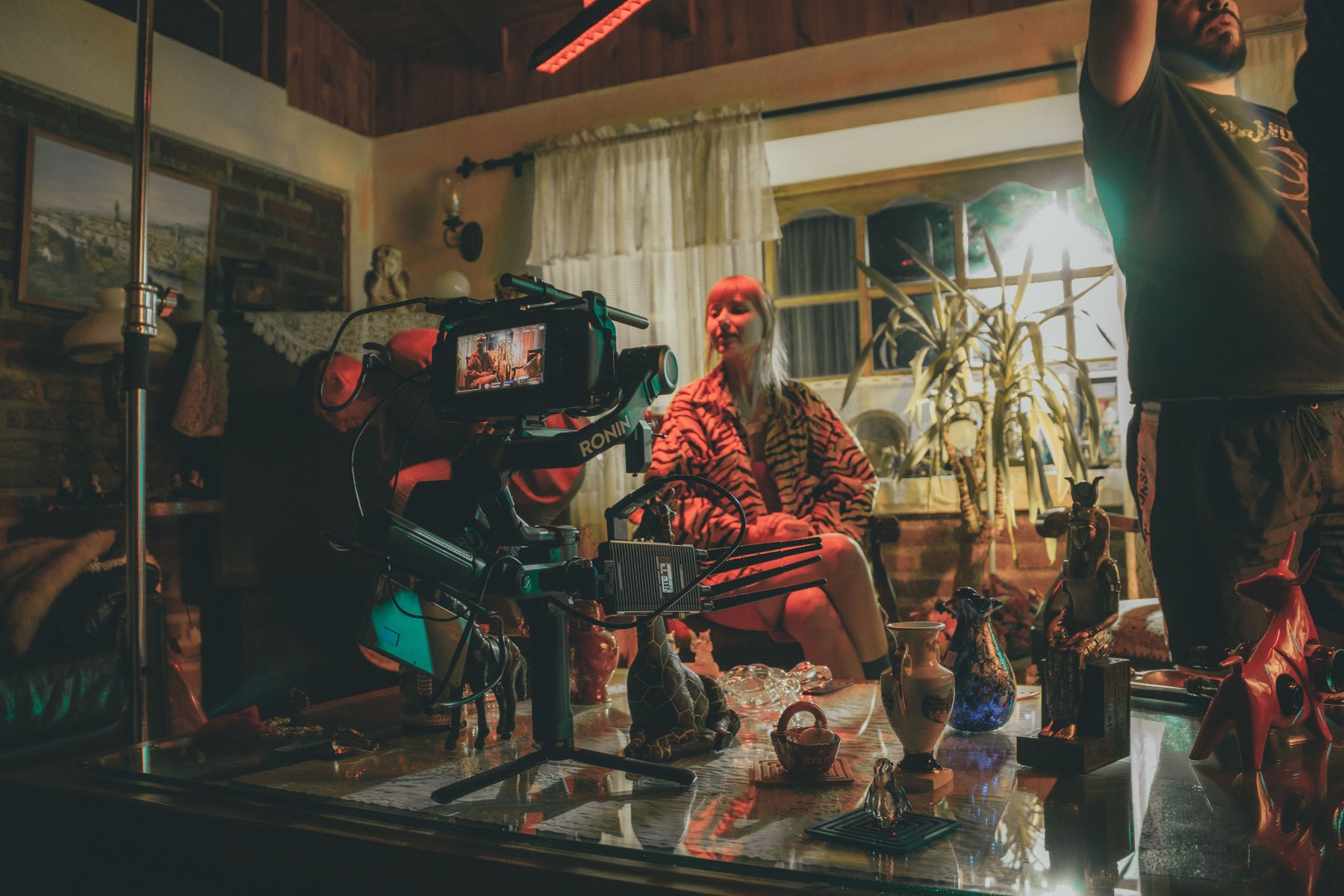
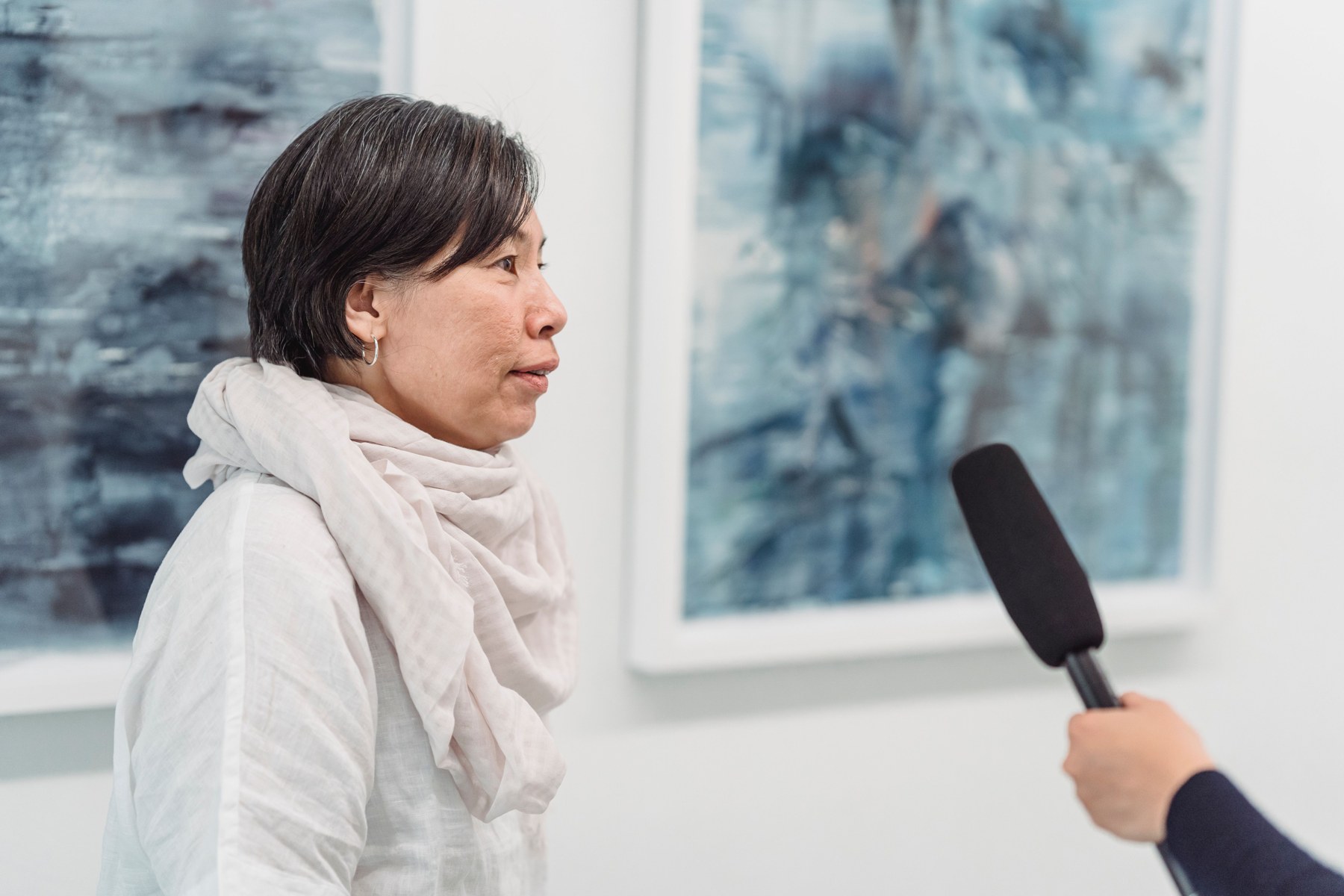
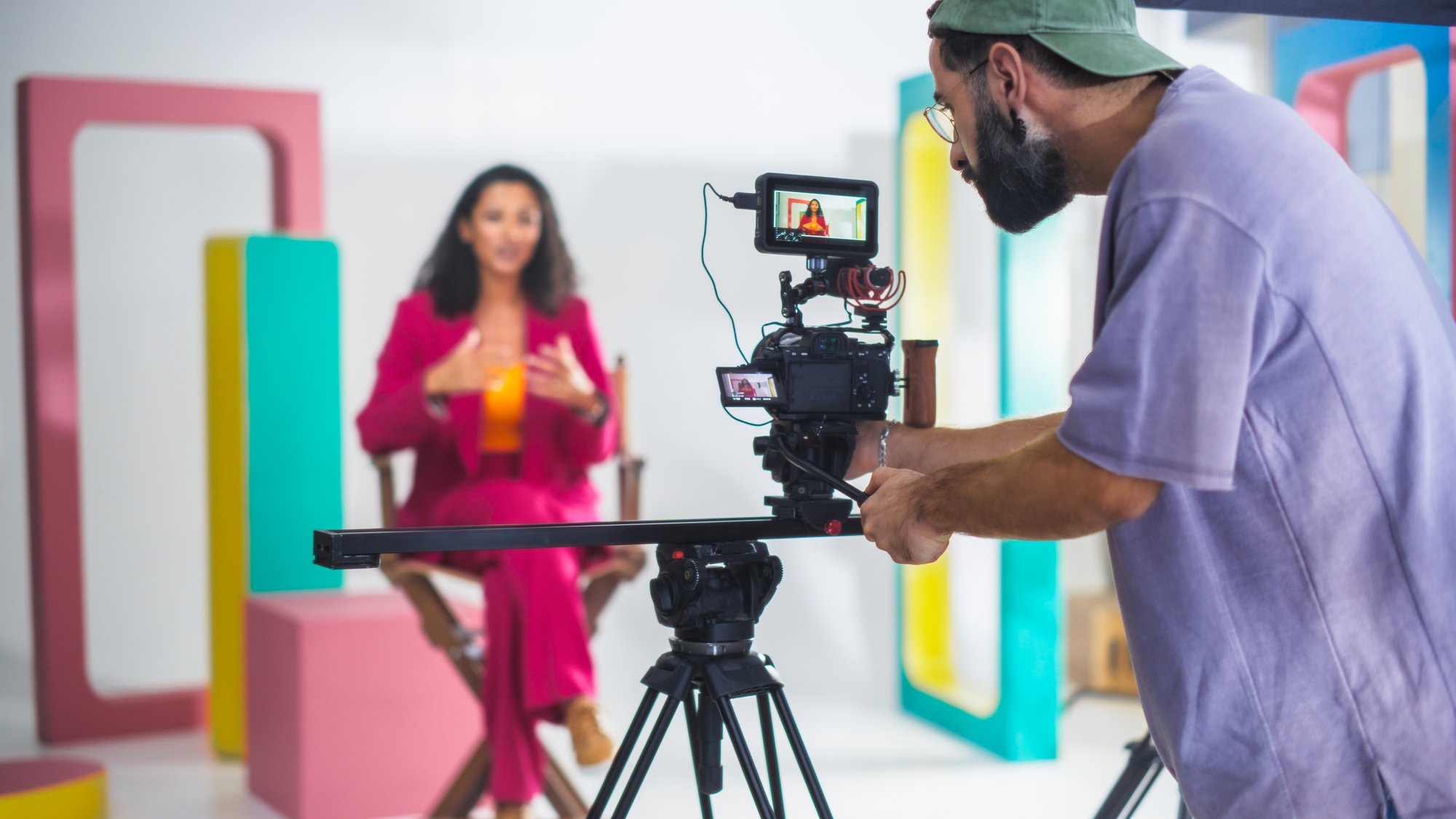
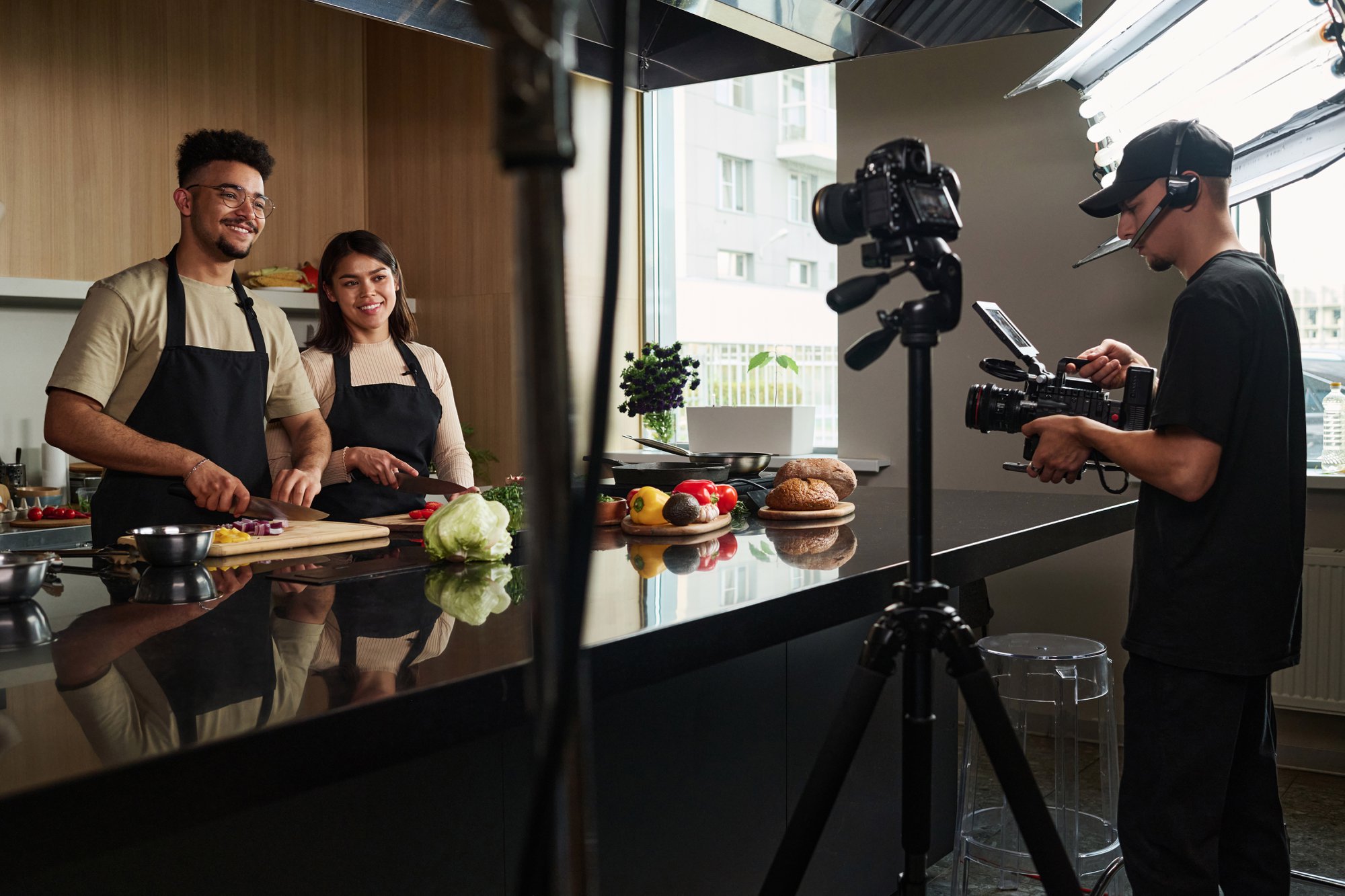
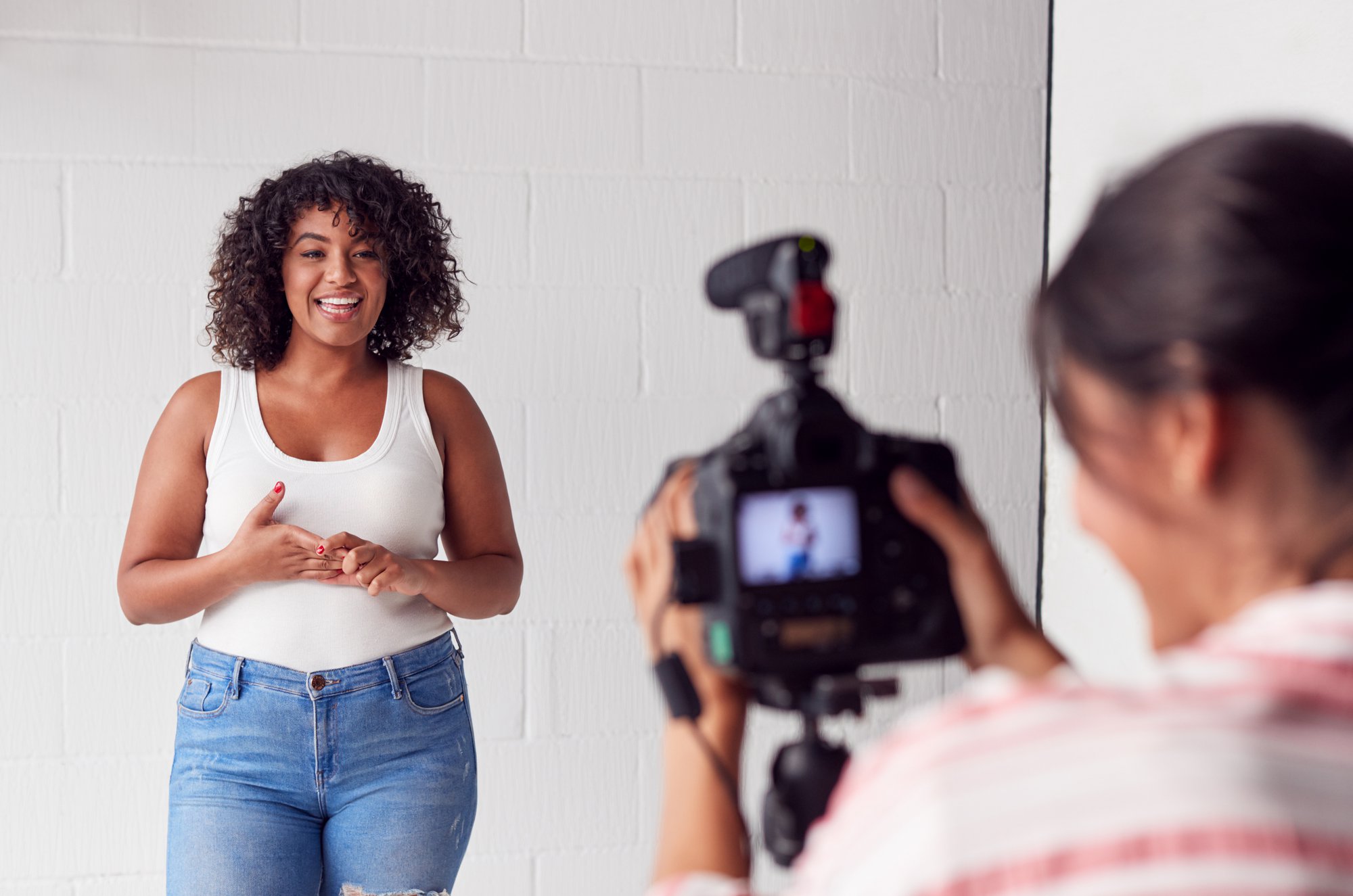
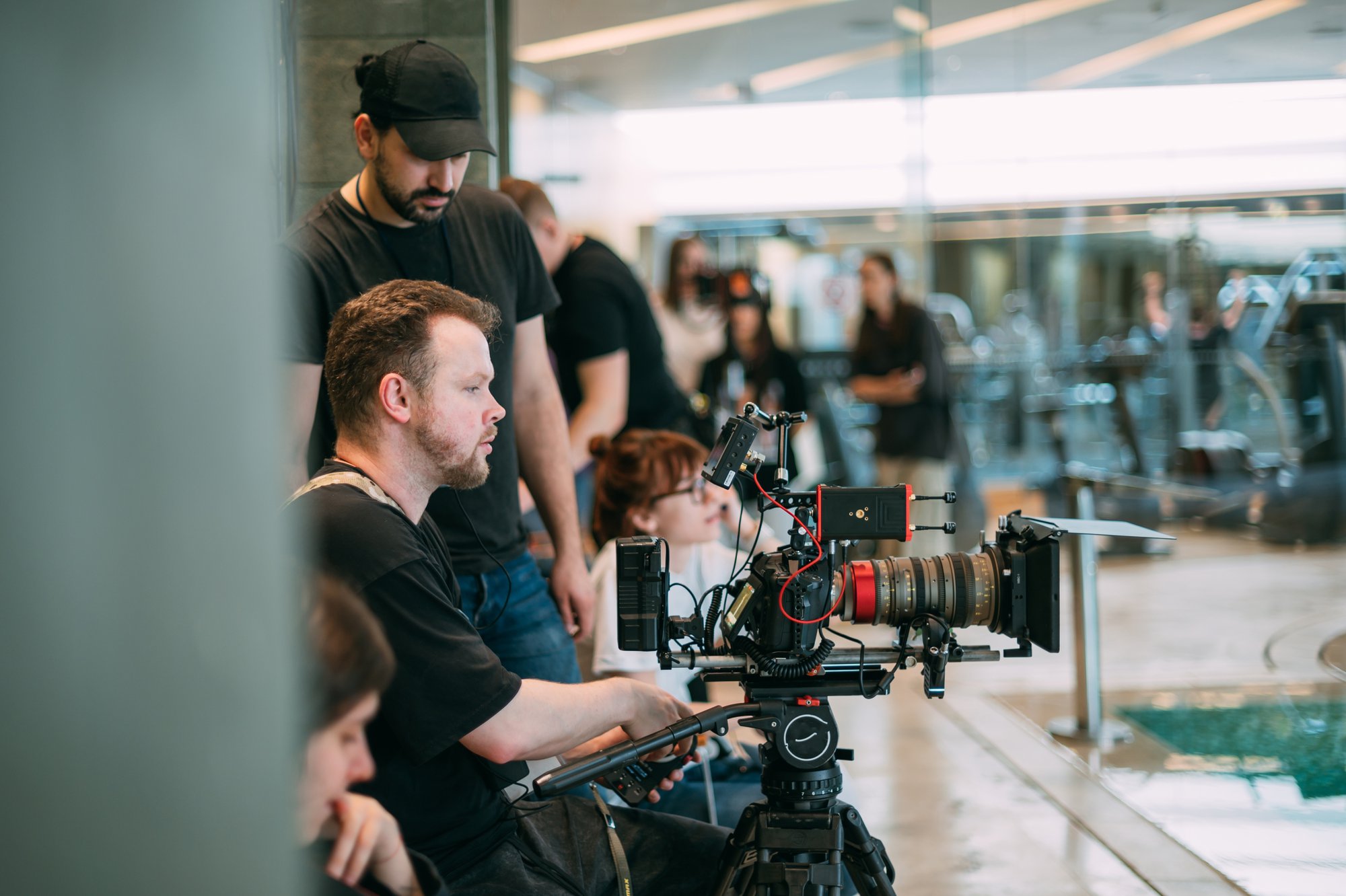
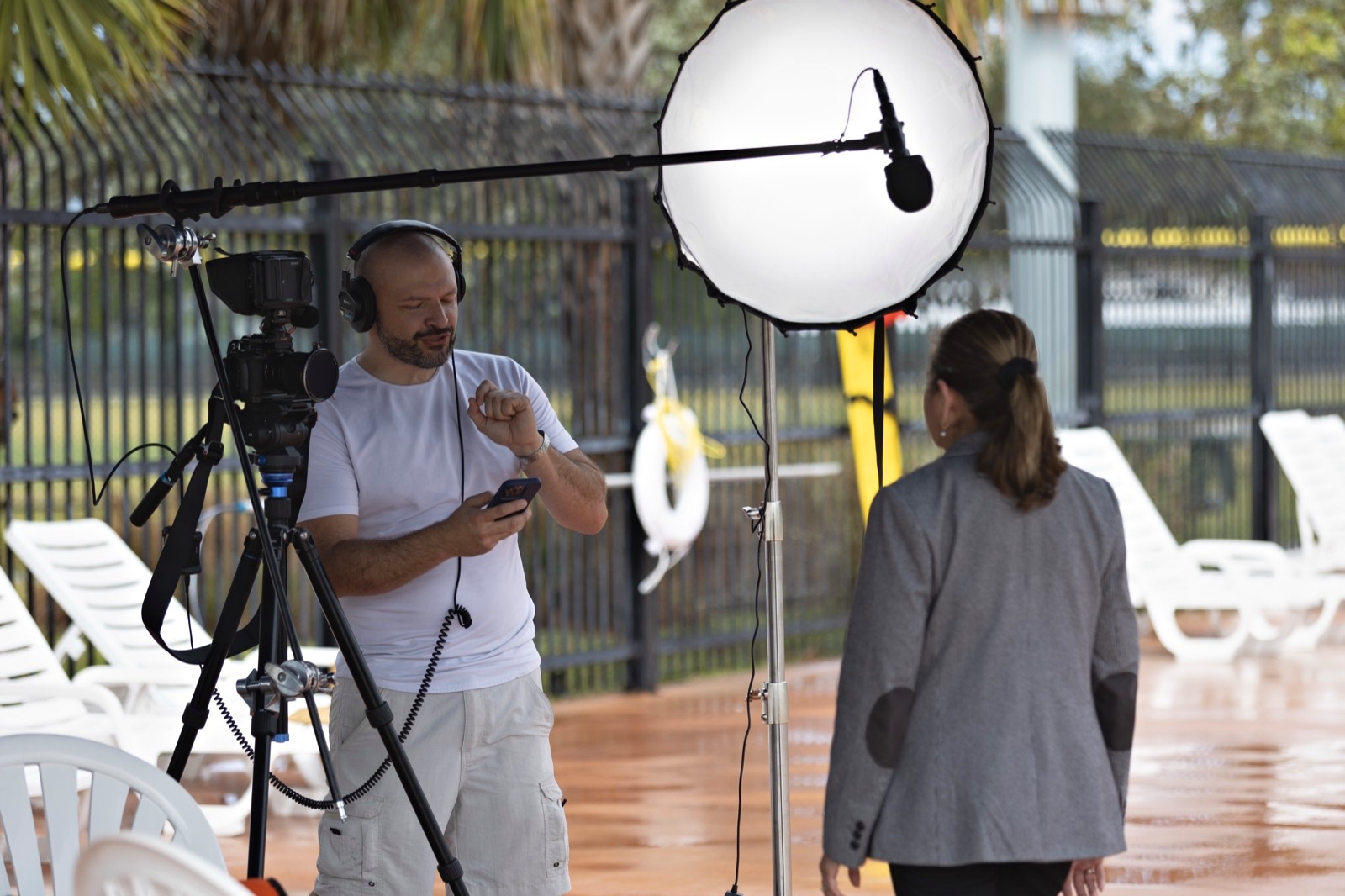
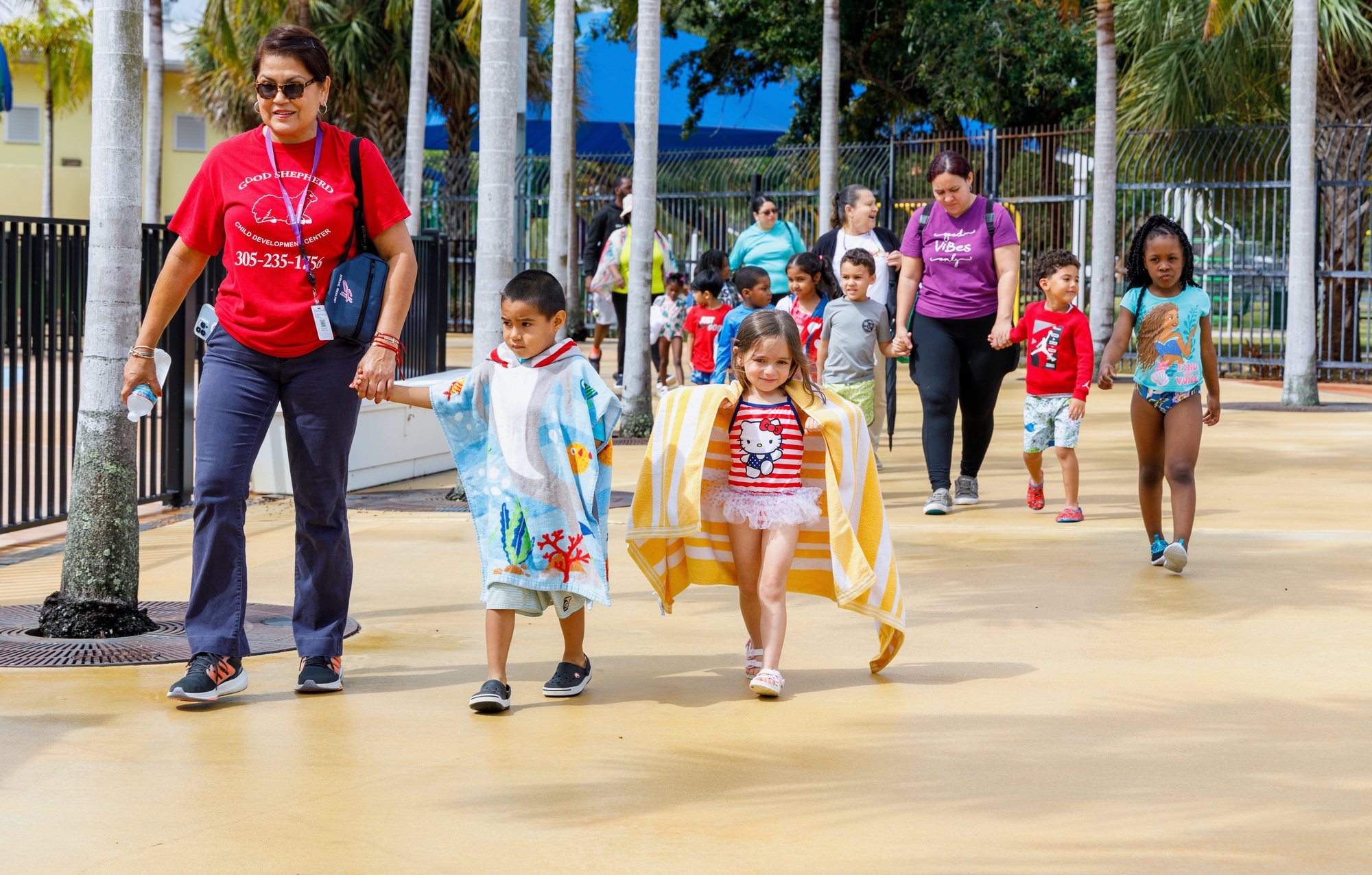
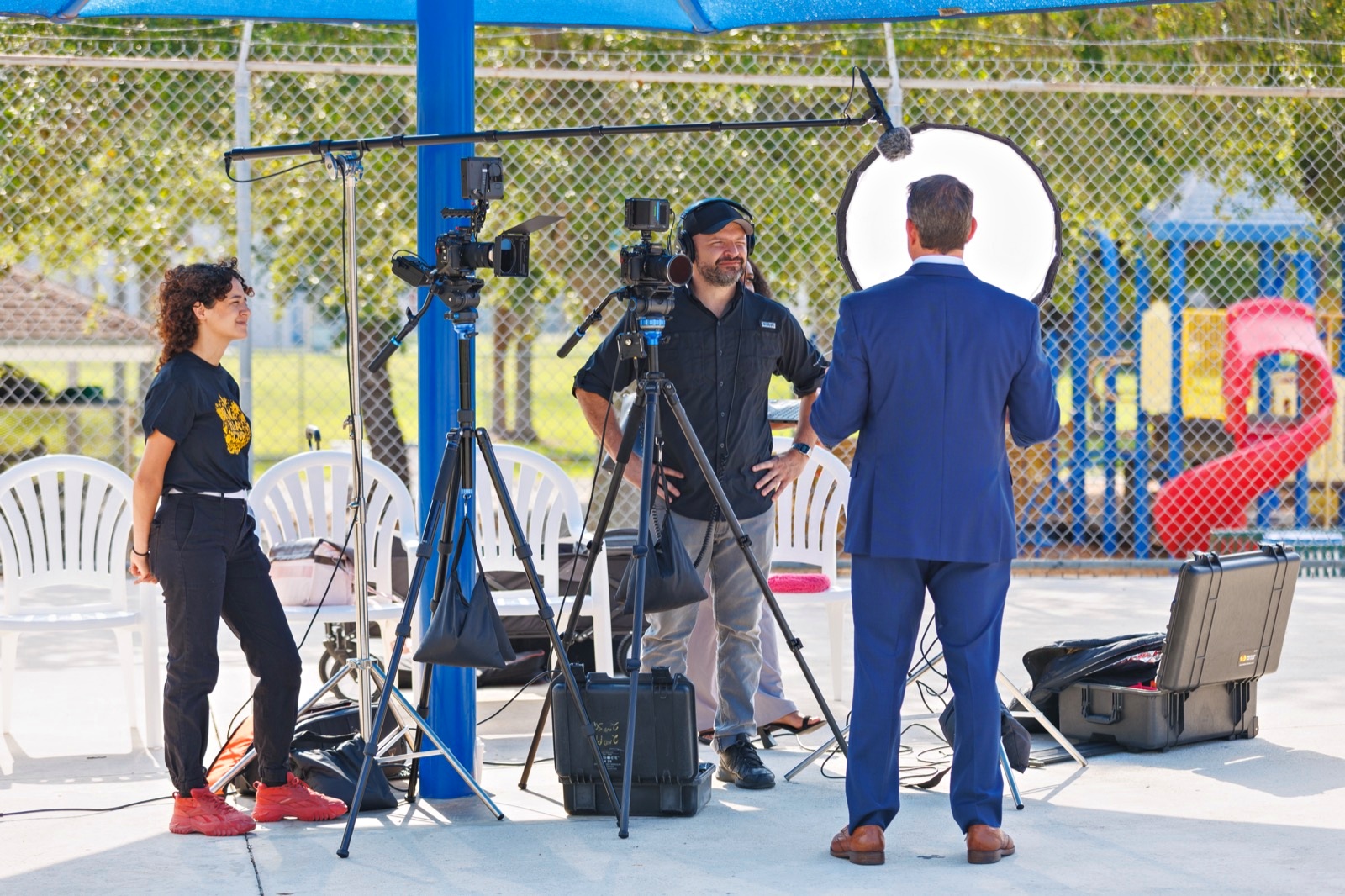
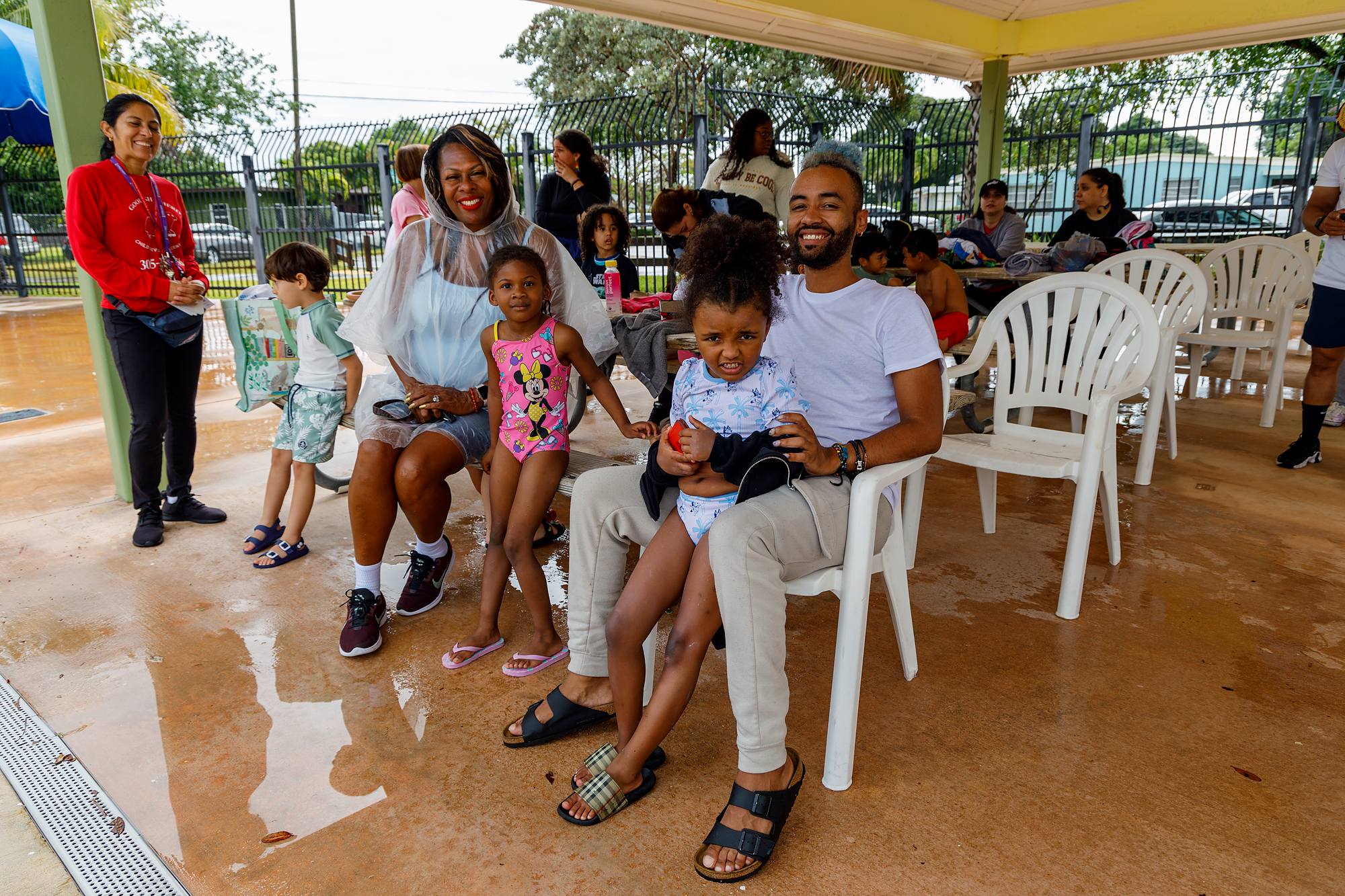
The campaign called for parent testimonials and personal connections to water safety. The selected material includes parent footage alongside instructors, pools, buses and GoPro coverage. The interview behind-the-scenes photograph shows the practical setup for an on-location conversation, while the pool image provides a separate view of the lesson environment.


A testimonial short, not the parent guide
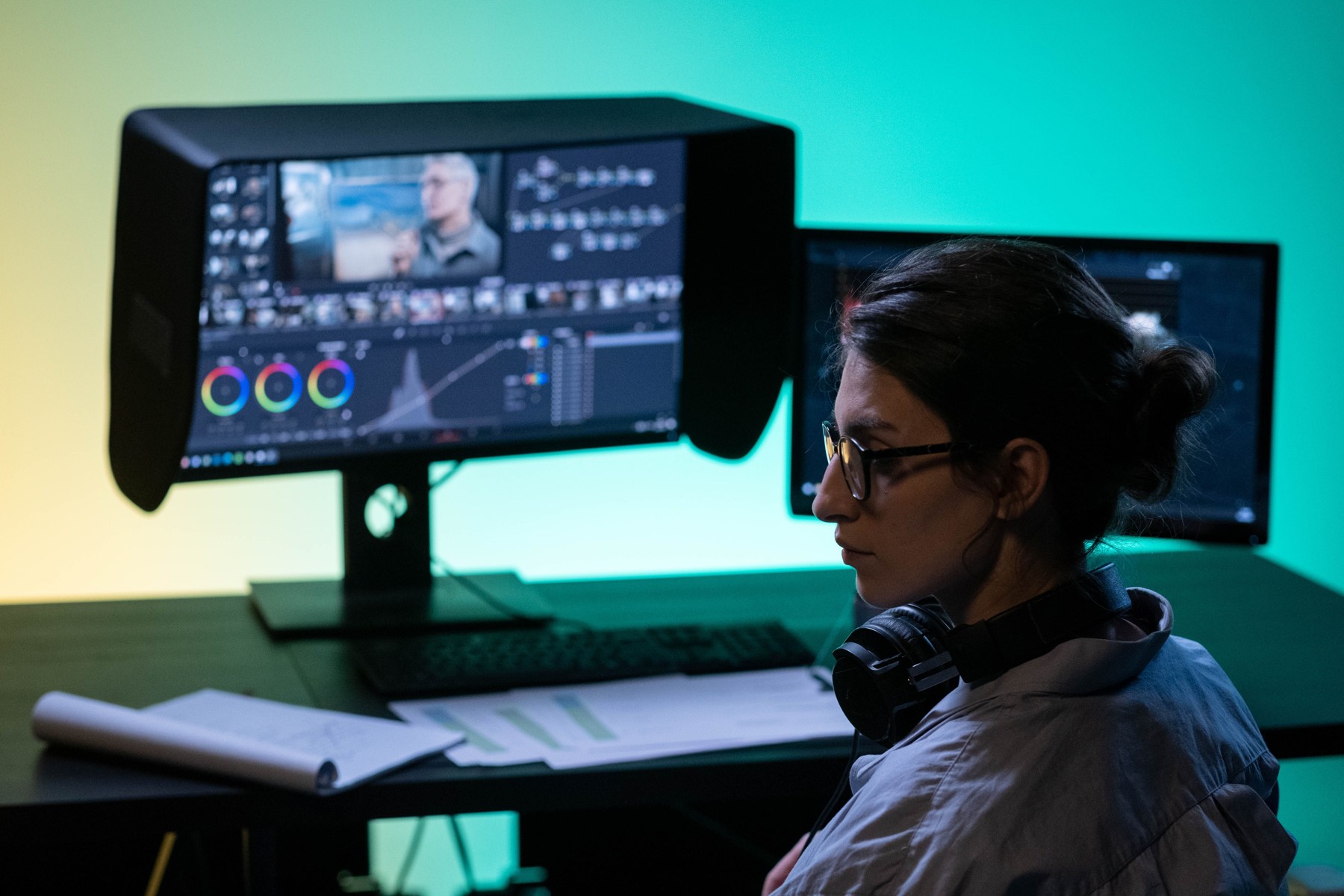
This selected edit is a brief collection of family experiences. It is separate from the longer parent guide, which covers registration and what to expect. That distinction matters when planning a campaign: a testimonial piece can help an audience recognize itself in a story, while a guide serves a different practical need. This article focuses on the family voices and the filming and editing that connect them with the children’s experience.
About the production
Filming and editing: Verge Media. Produced for the Zero Drownings Miami-Dade partnership, coordinated through Miami-Dade County Parks, Recreation and Open Spaces.
Learn more about the initiative and its partners.
Planning a campaign?
Bring your people and purpose into focus. Tell us about your project.