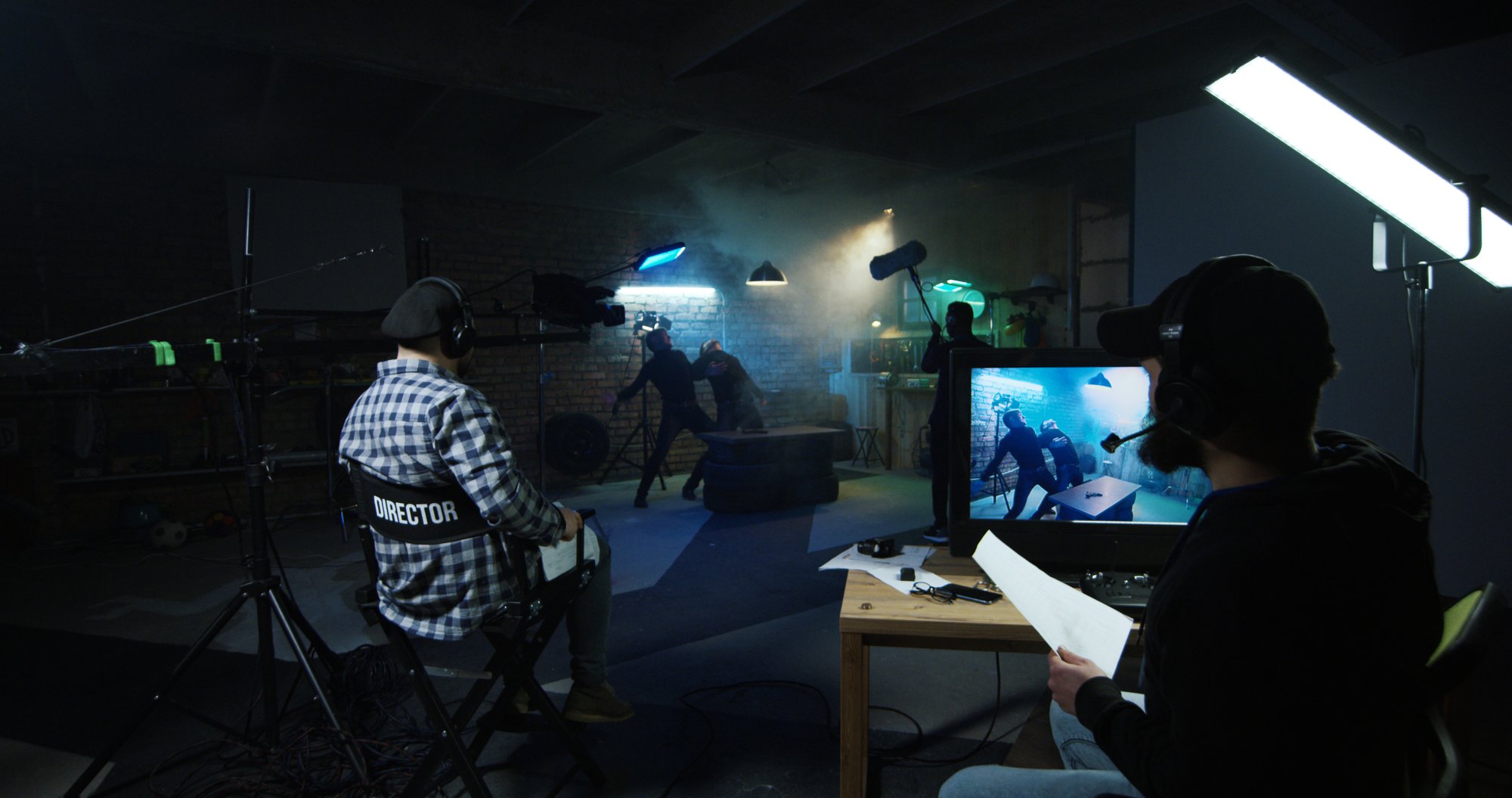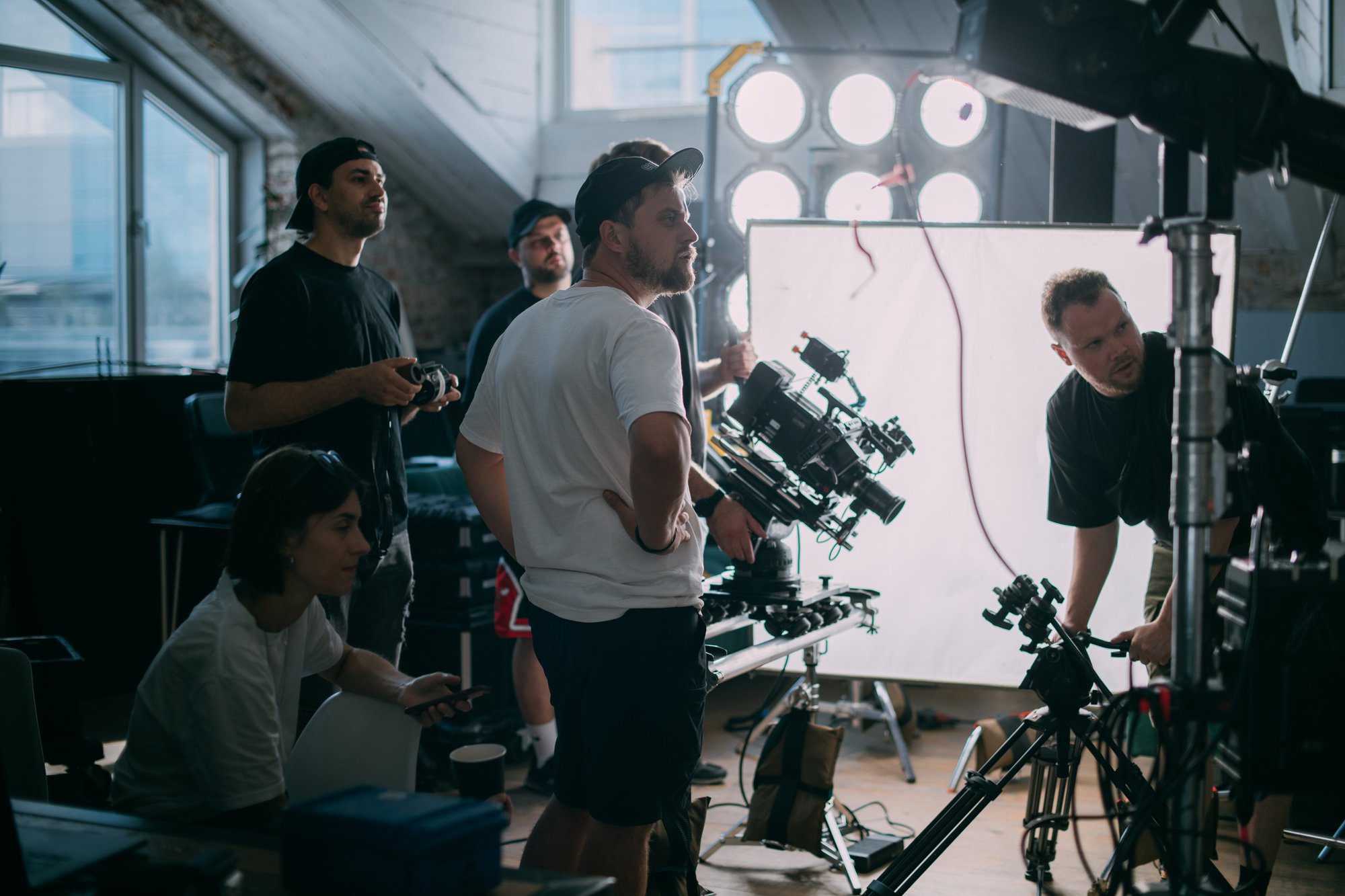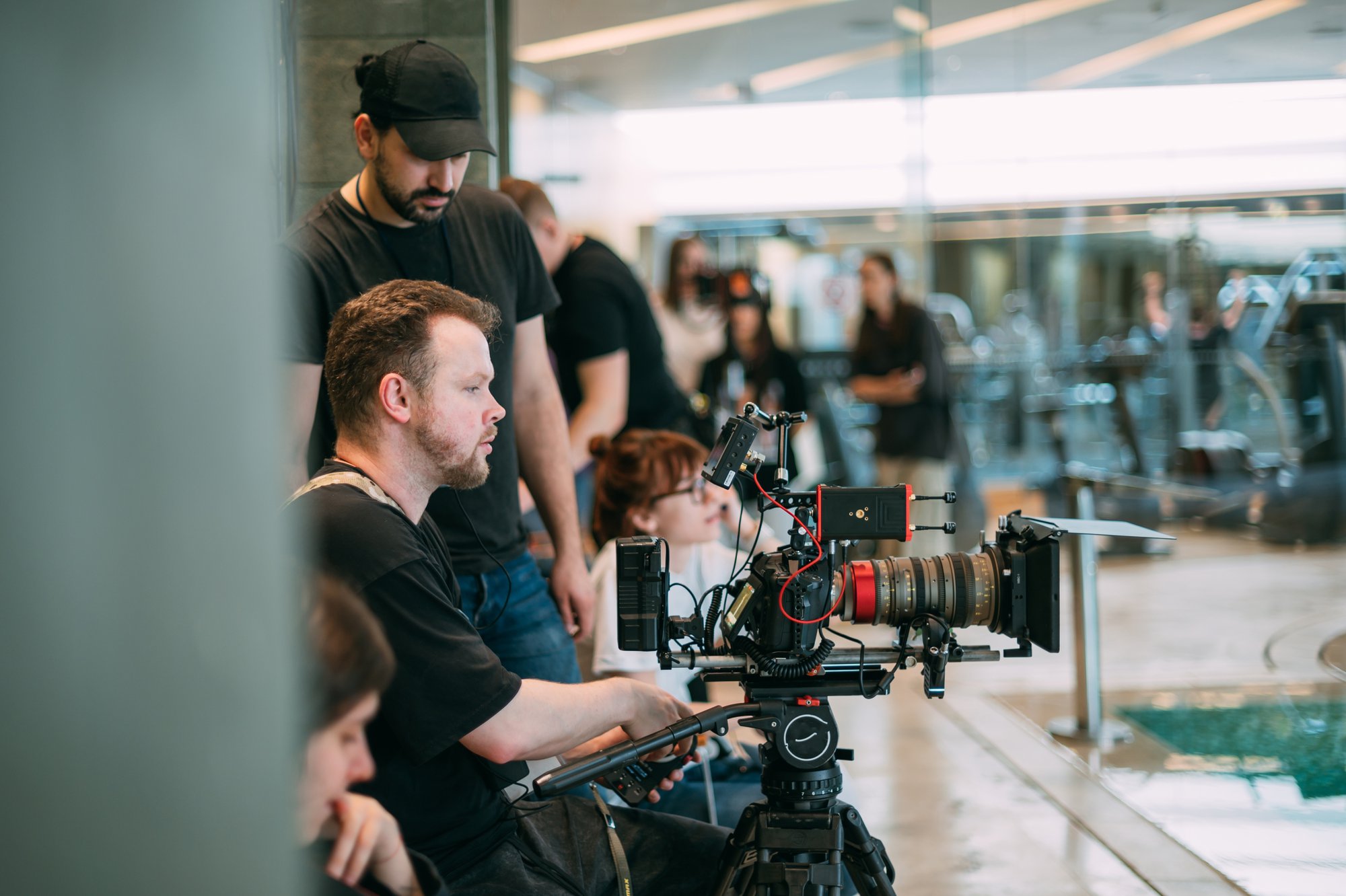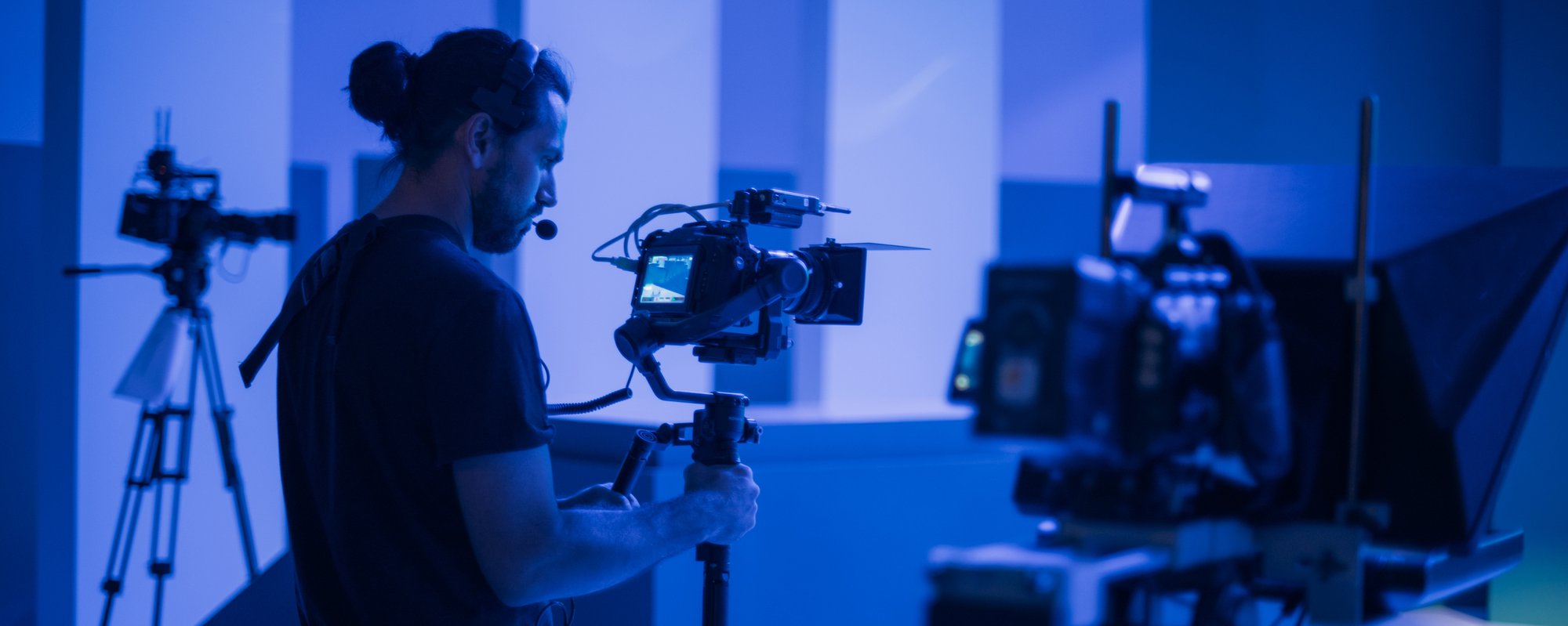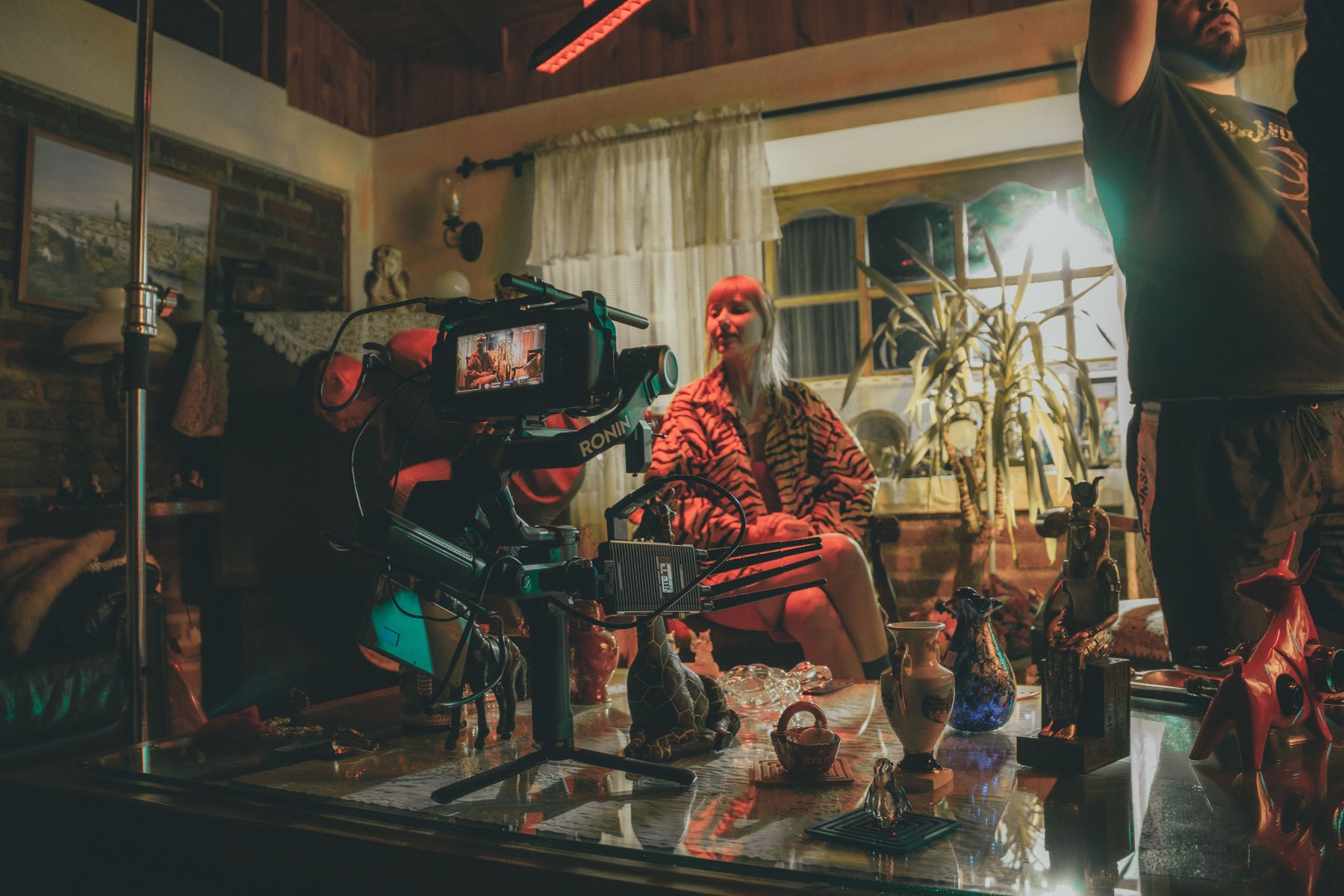
Should your next business video be filmed, generated with AI, or built from a combination of both? Start with what the audience needs to believe. A visual that explains an idea has a different job from a customer describing an experience or a team showing how it works.
For Miami businesses planning video content, the useful question is where each approach serves the story—and where it introduces compromises.
Where AI can help
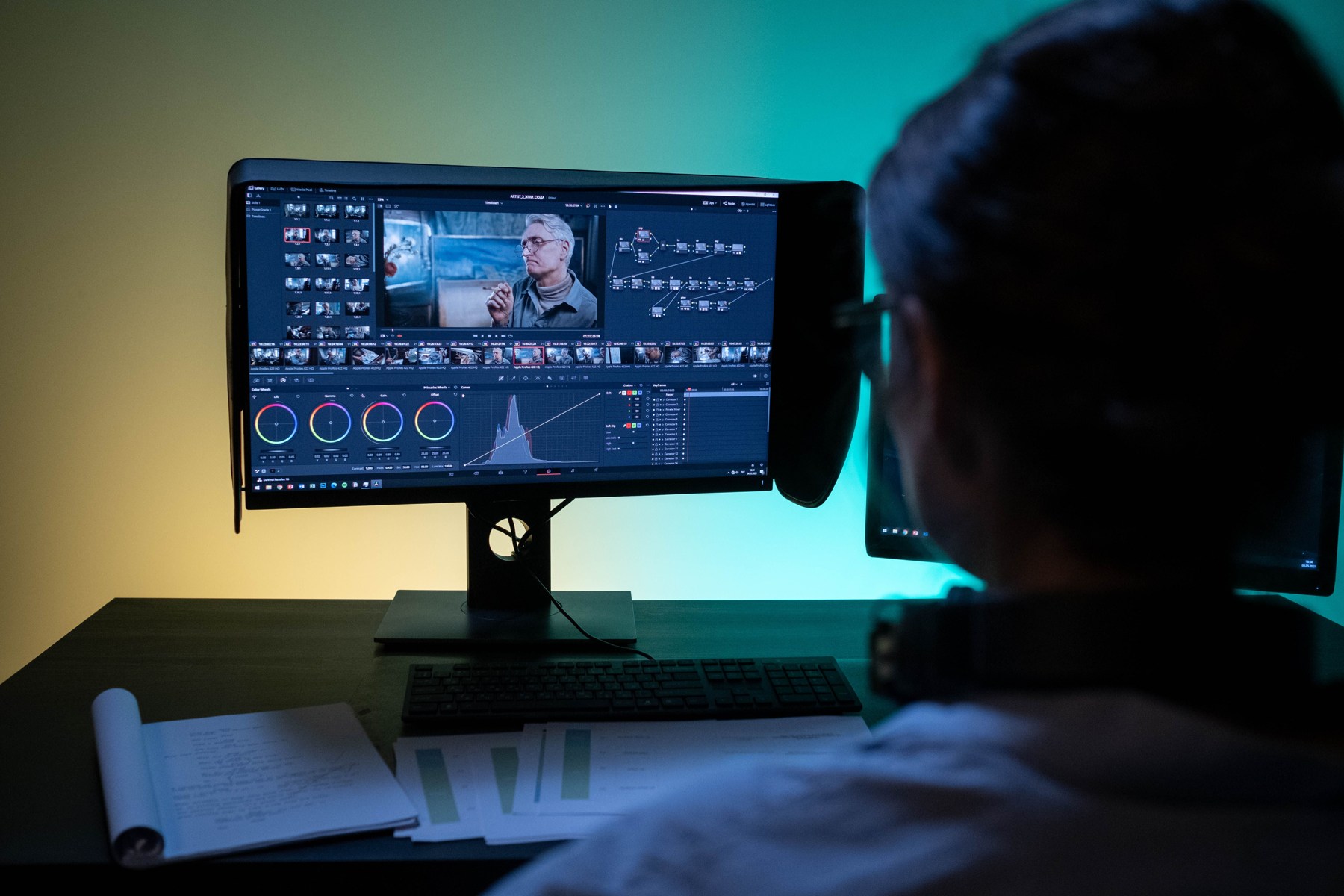
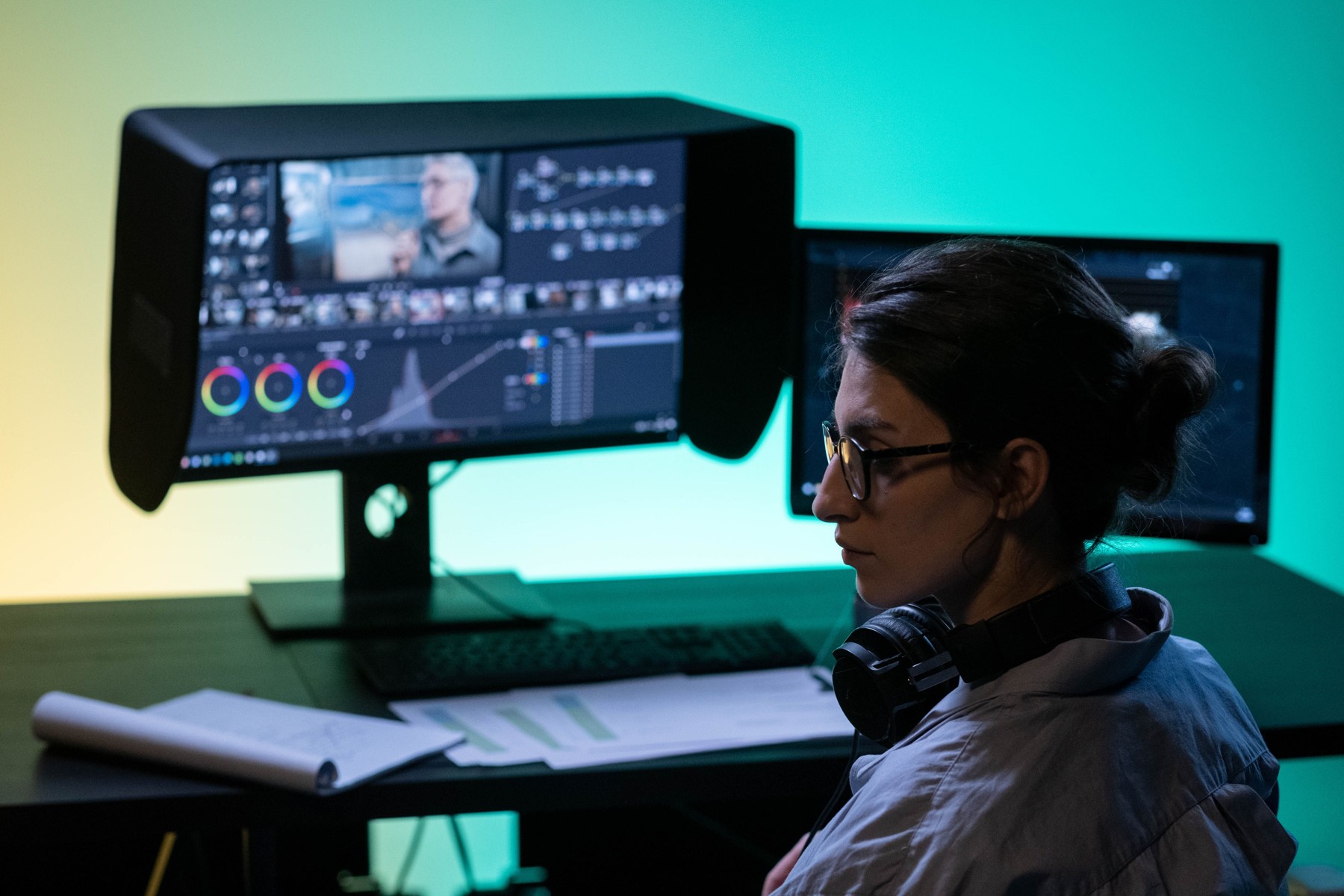
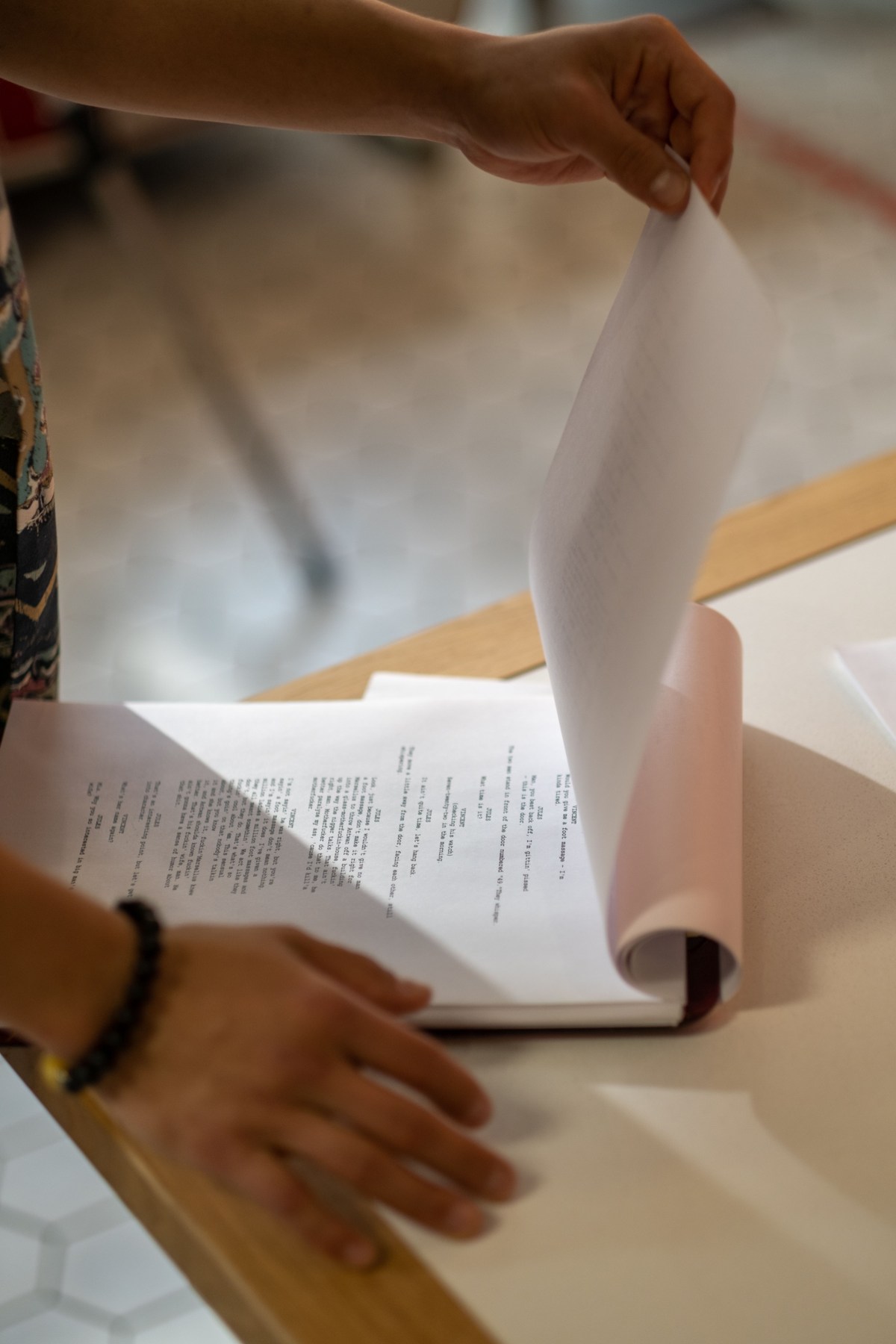
AI can be useful for exploring visual concepts before a shoot, developing illustrative sequences, or creating an abstract background that would be expensive to build practically. In post-production, AI-assisted tools can also help with transcription, caption drafts, footage searches, and other repetitive tasks. Results still need human review.
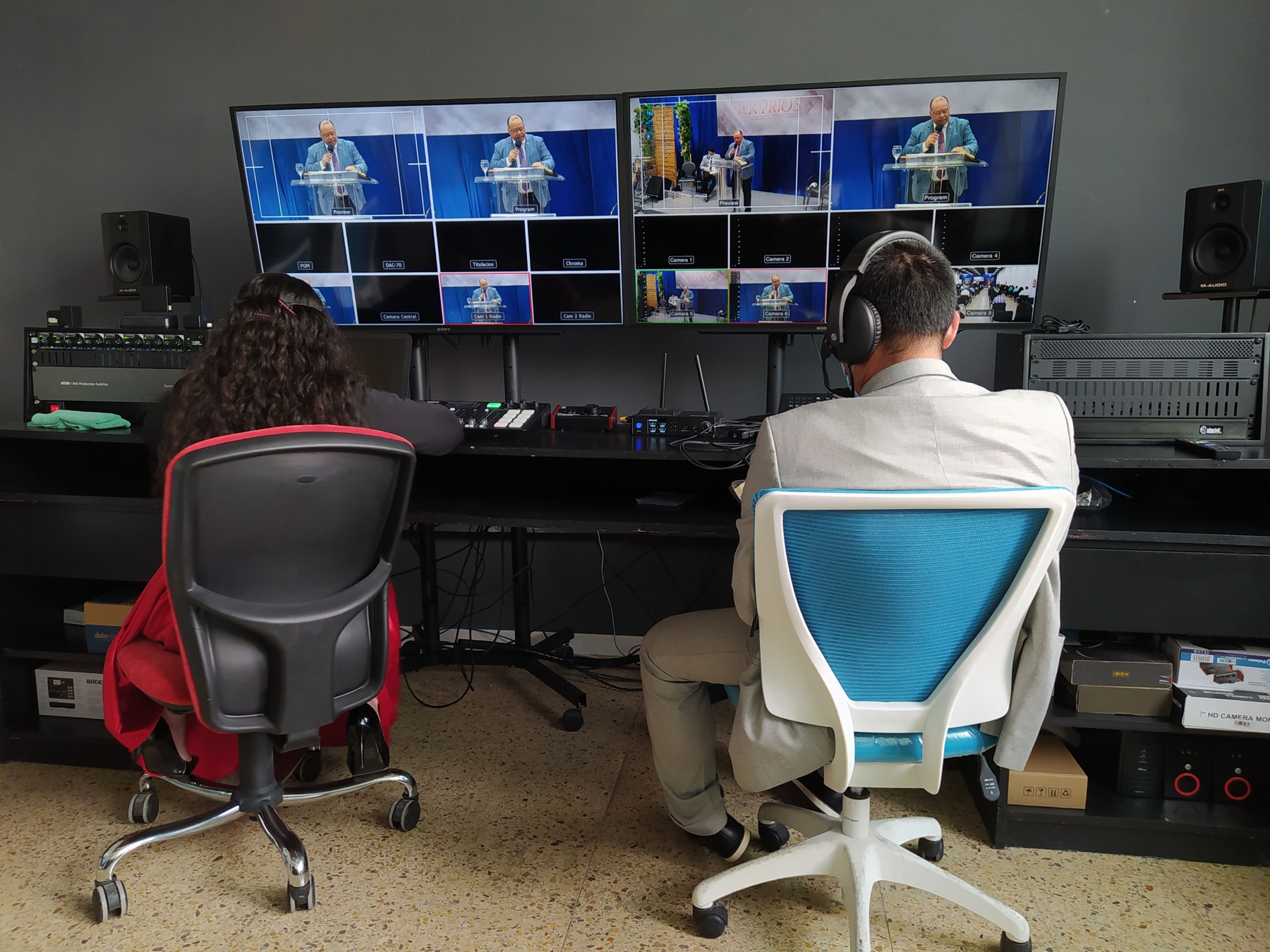
Wistia’s 2026 video research describes AI being used across scripting, editing, and accessibility workflows. That distinction matters: using AI to help produce a video does not mean generating everything the viewer sees.
When filming is the stronger choice
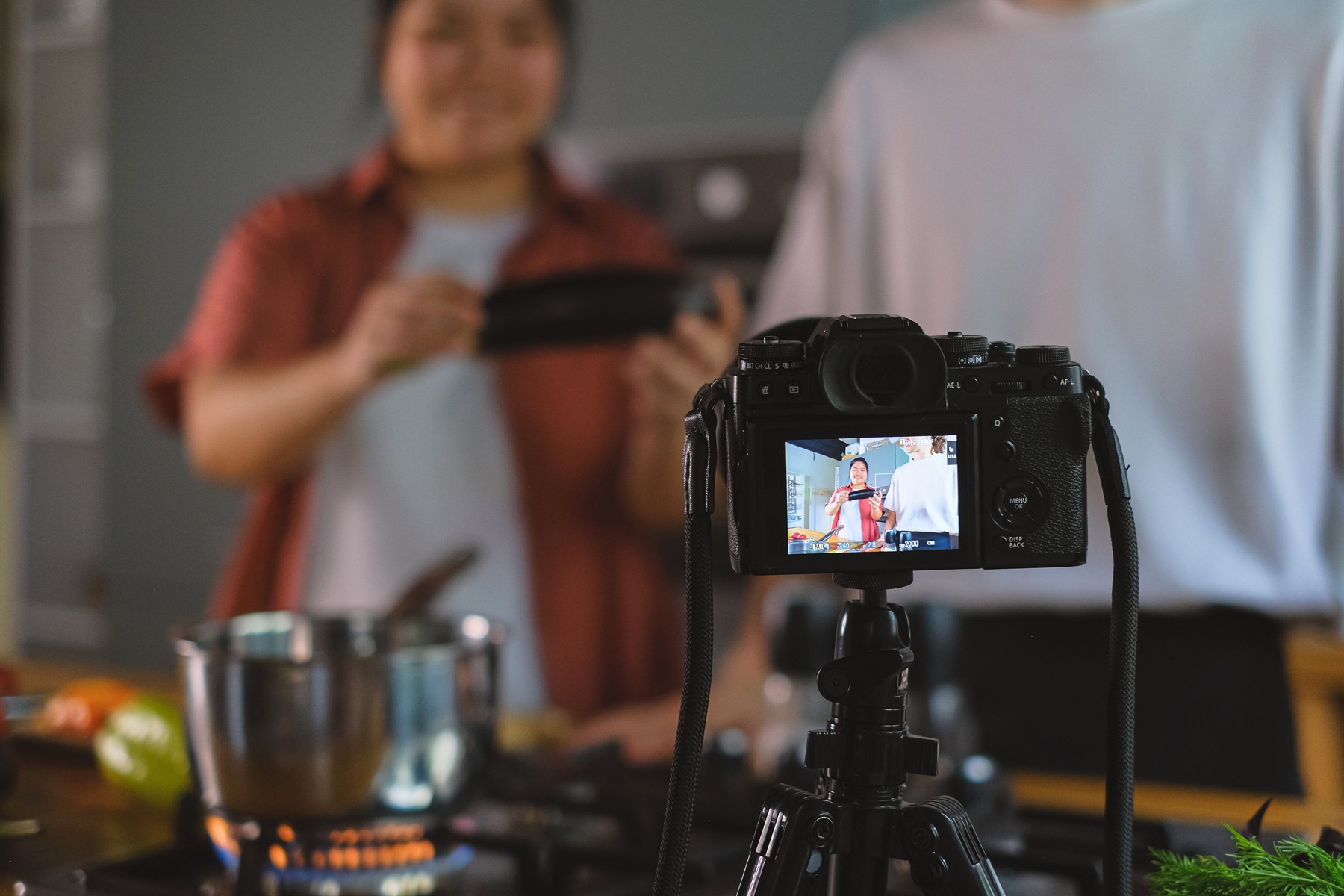
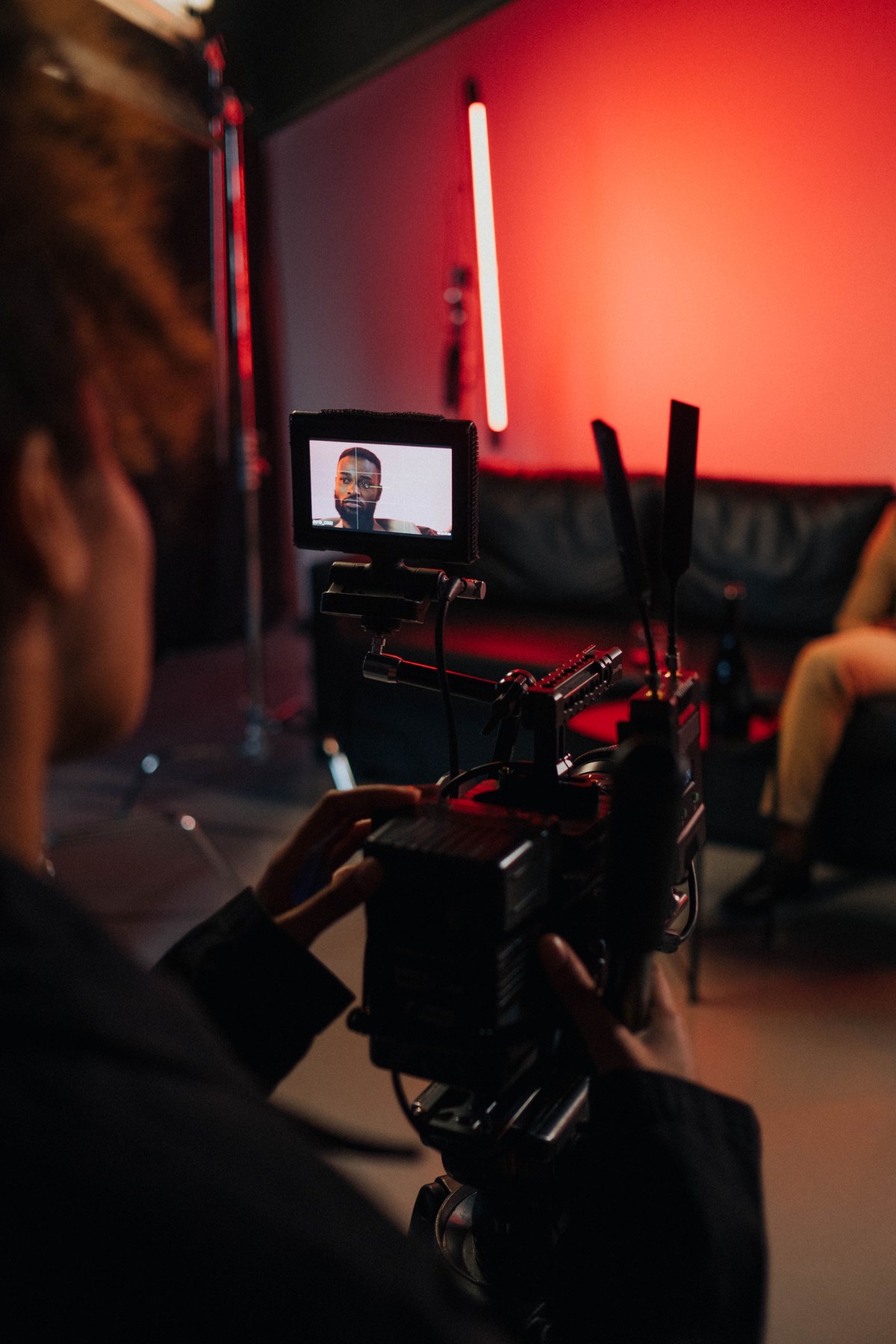
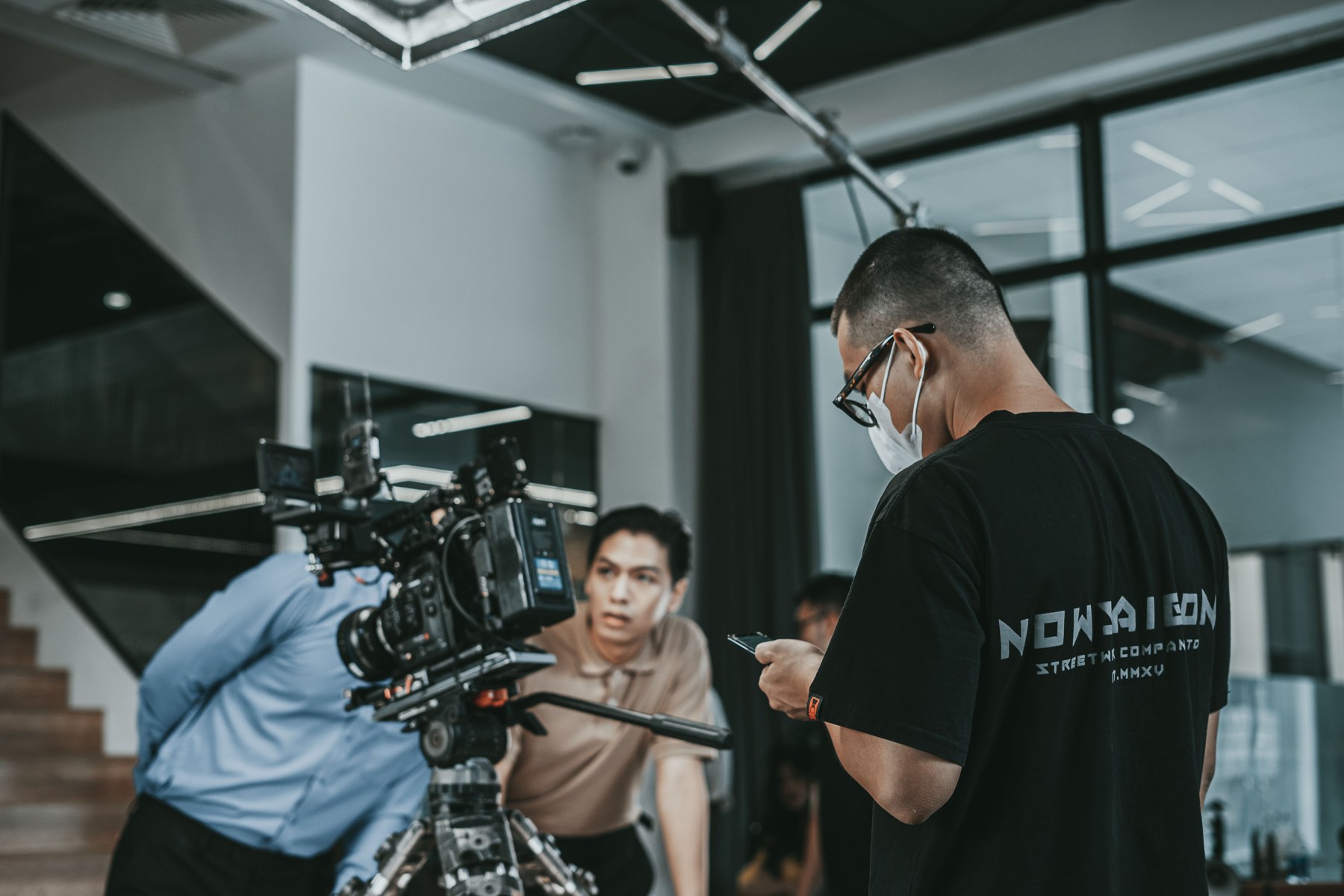
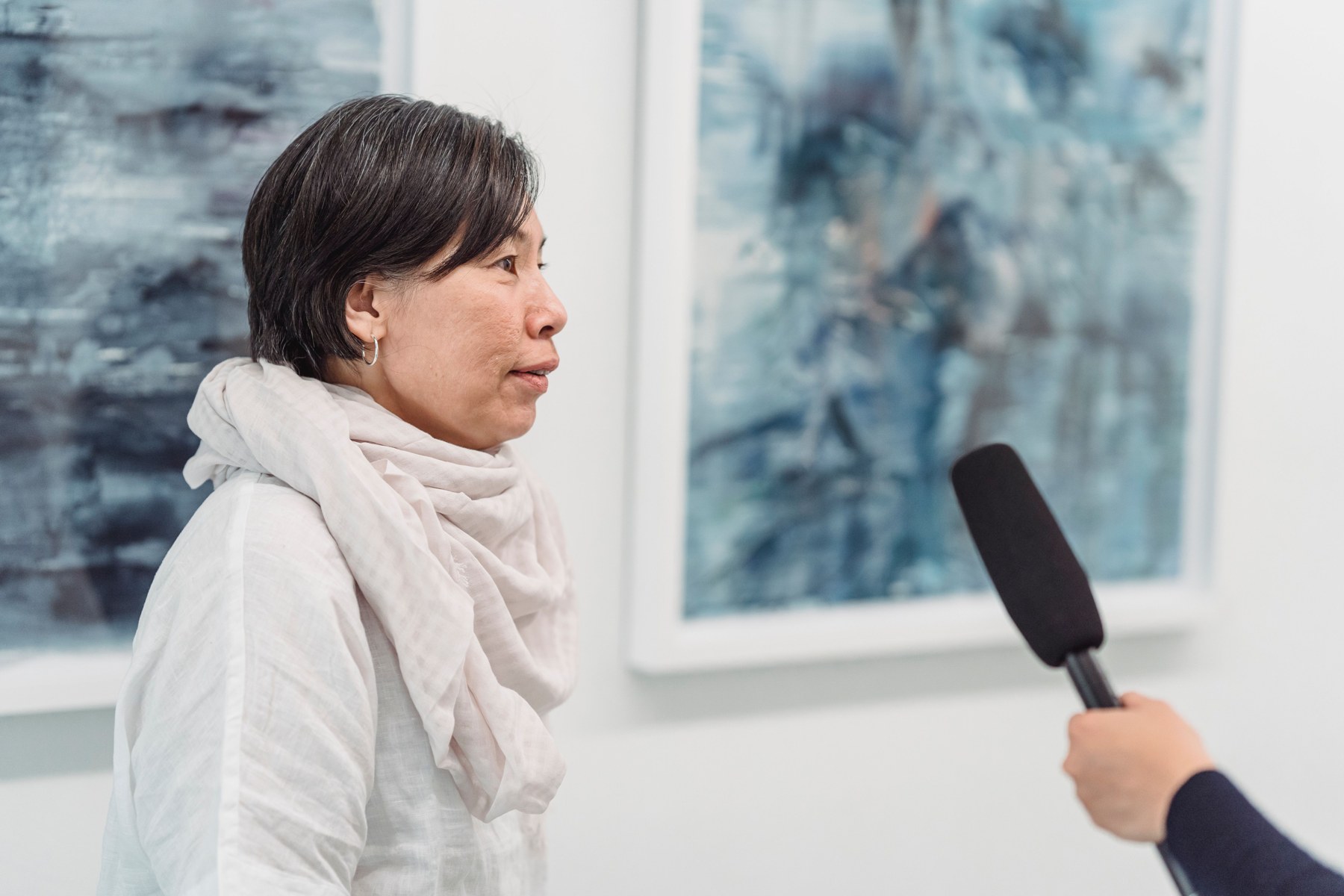
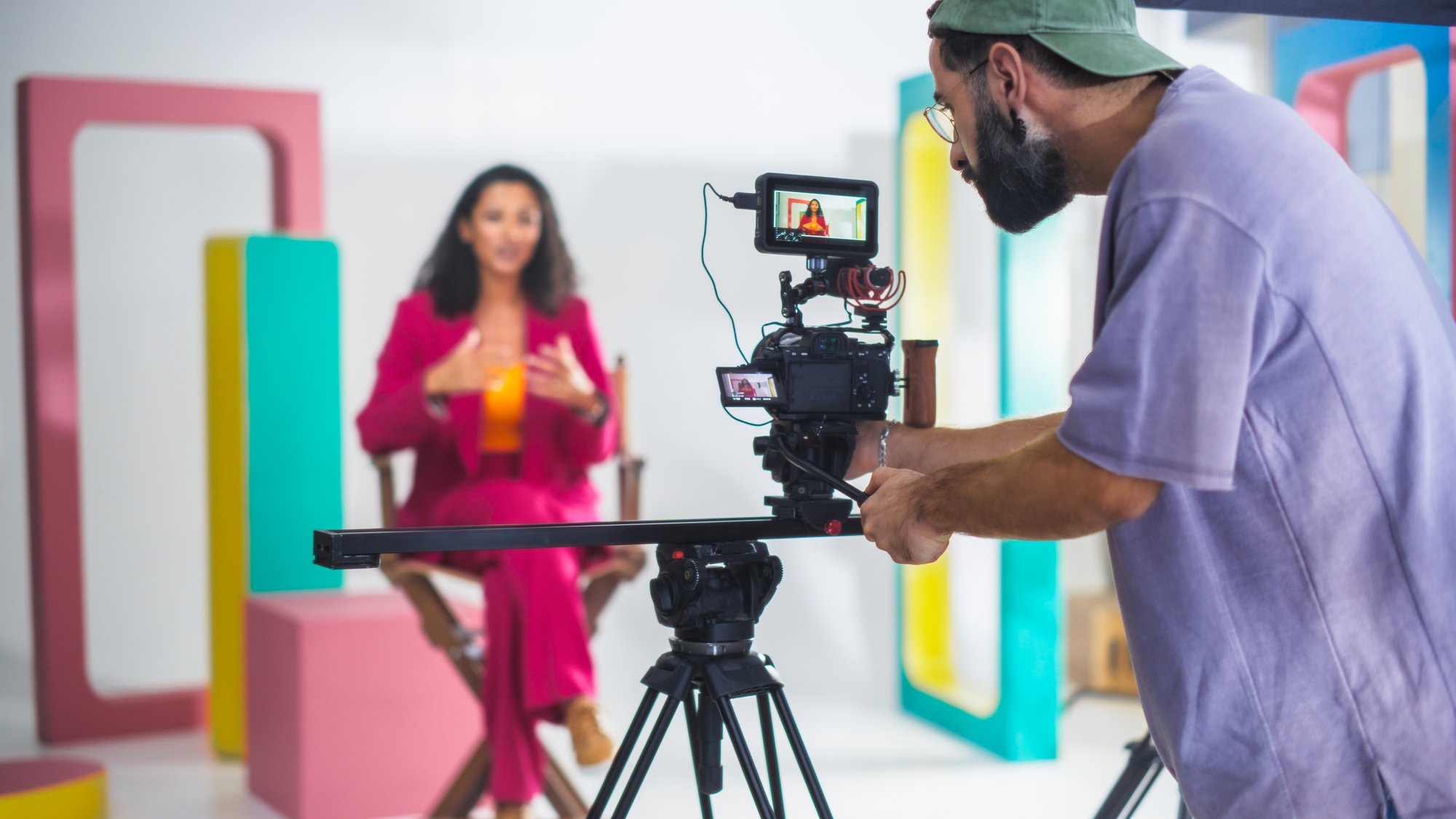
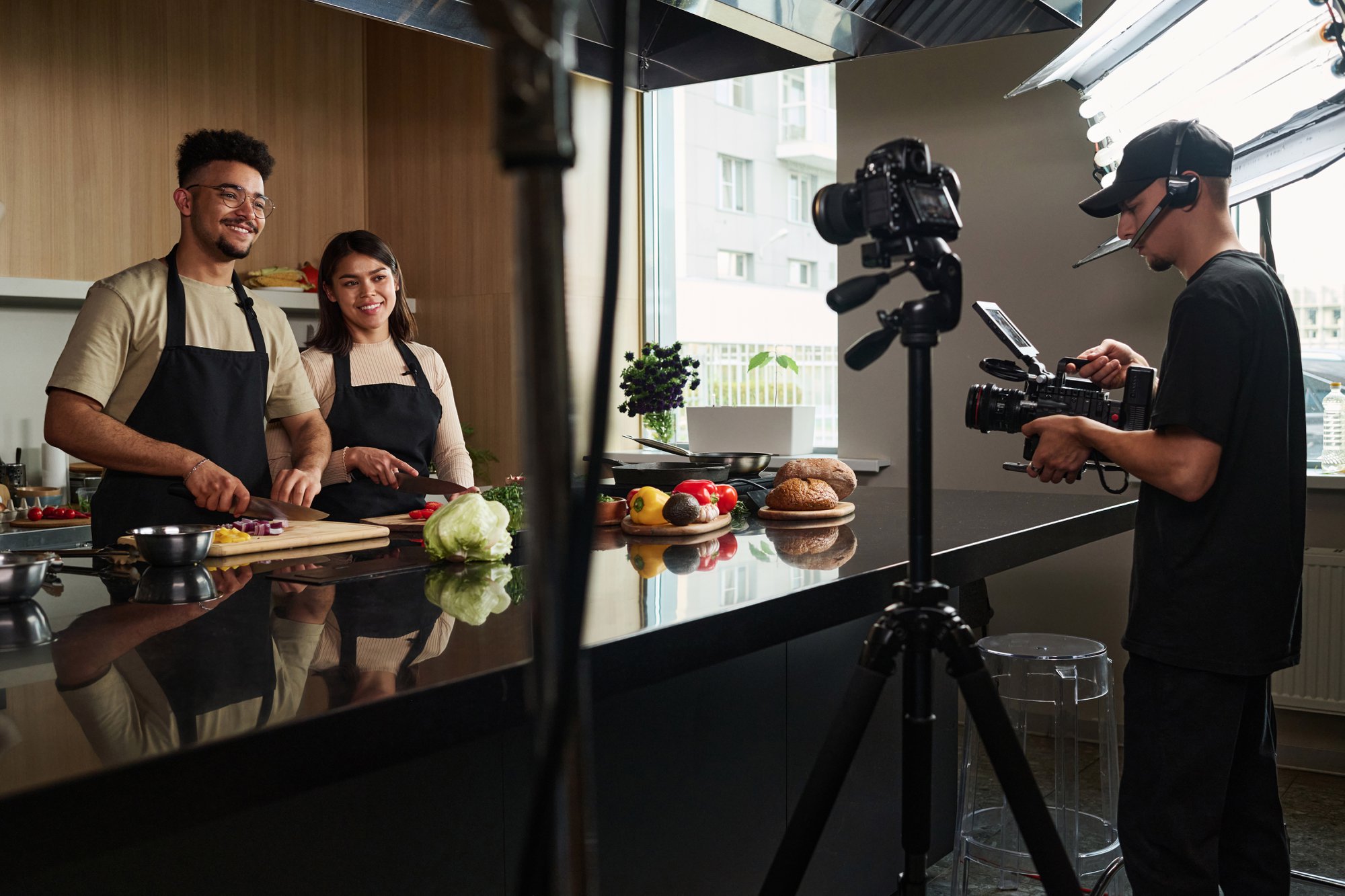
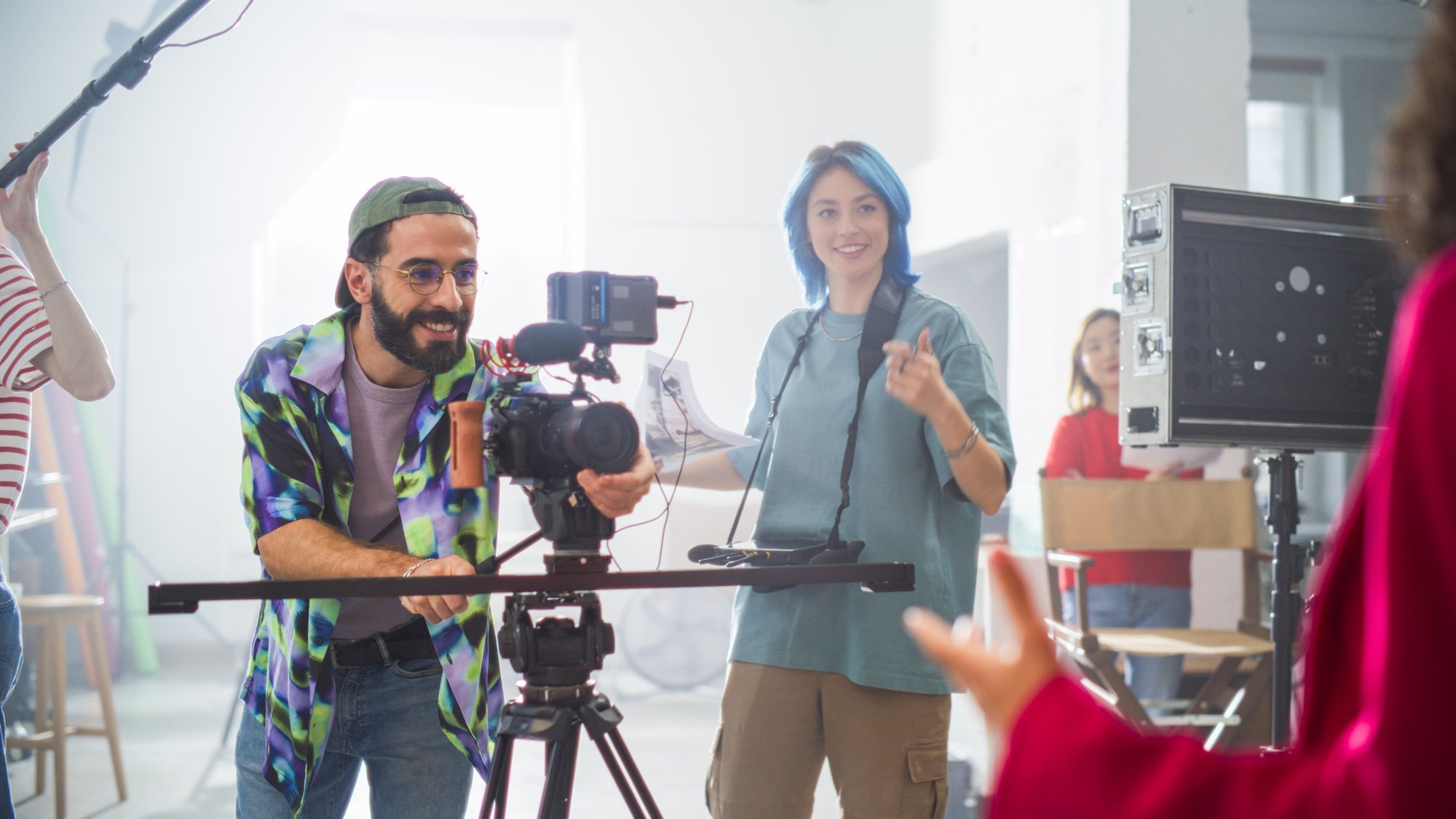
If the video depends on a real person, place, product, or event, filming provides direct evidence. An employee explaining a difficult process, a customer telling a specific story, or a room reacting to a speaker gives the audience something concrete to connect with.
For testimonials, documentary stories, company profiles, and event coverage, those details often carry the message: a pause before an answer, an unexpected laugh, or the way someone demonstrates their work. Generating an approximation would change the nature of that material.
A practical way to decide
- Documenting something real? Film the people, action, and location.
- Explaining something difficult to show? Consider graphics, animation, or clearly illustrative AI visuals.
- Making a product claim? Show the actual product and verify that every visual represents its performance accurately.
- Working with an existing footage library? Review what you already have before planning new production.
Combining the approaches thoughtfully
A filmed interview can work well alongside motion graphics or an illustrative sequence. The key is deciding what each element contributes before editing begins. Keep genuine testimony genuine, and make synthetic scenes clear when viewers could mistake them for documentation.
AI is not automatically the cheaper option once revisions, consistency, and quality control are included. Live production is not automatically the right answer for every visual either. Compare the full scope: preparation, creation, review, editing, and final delivery.
Start with the message
Before choosing a tool, define the audience, the point you want to communicate, and the action you want viewers to take. That makes the production decision much easier.
Planning a project? Talk with Verge Media about the footage, interviews, and visuals your video actually needs.